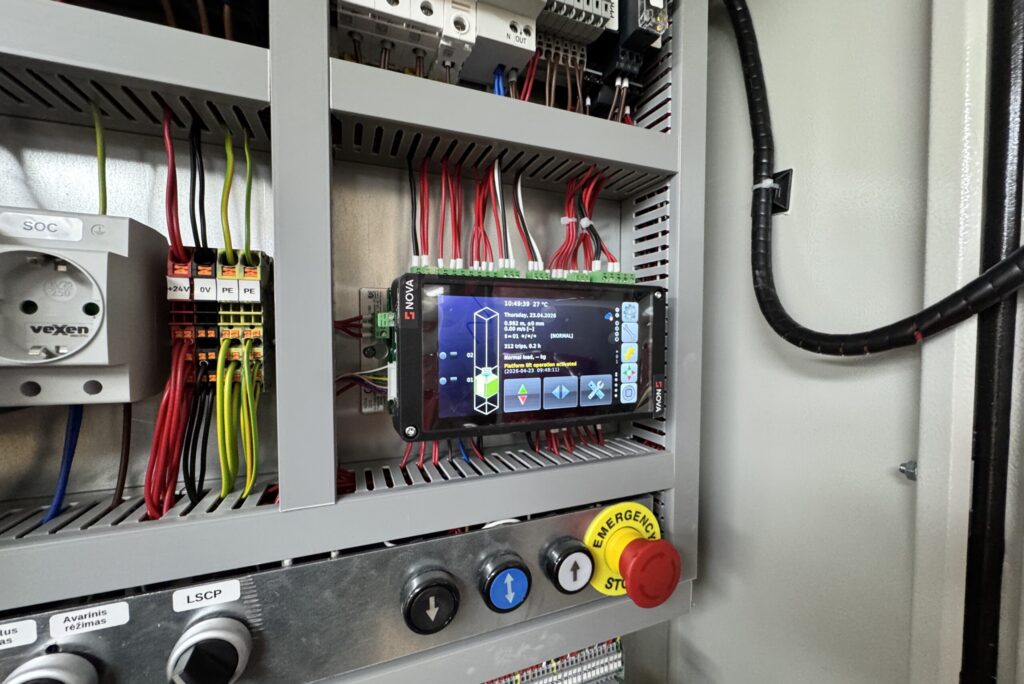
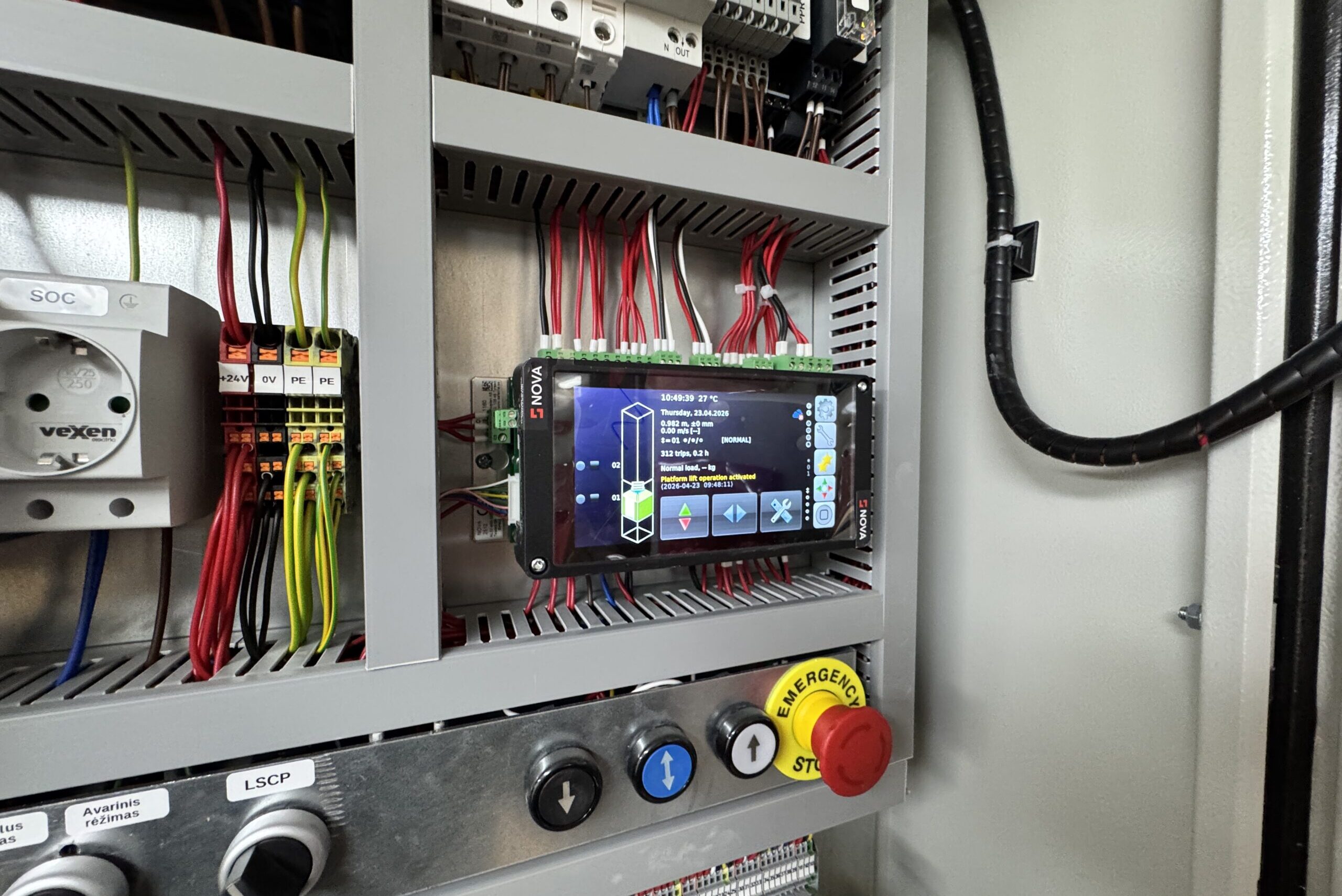
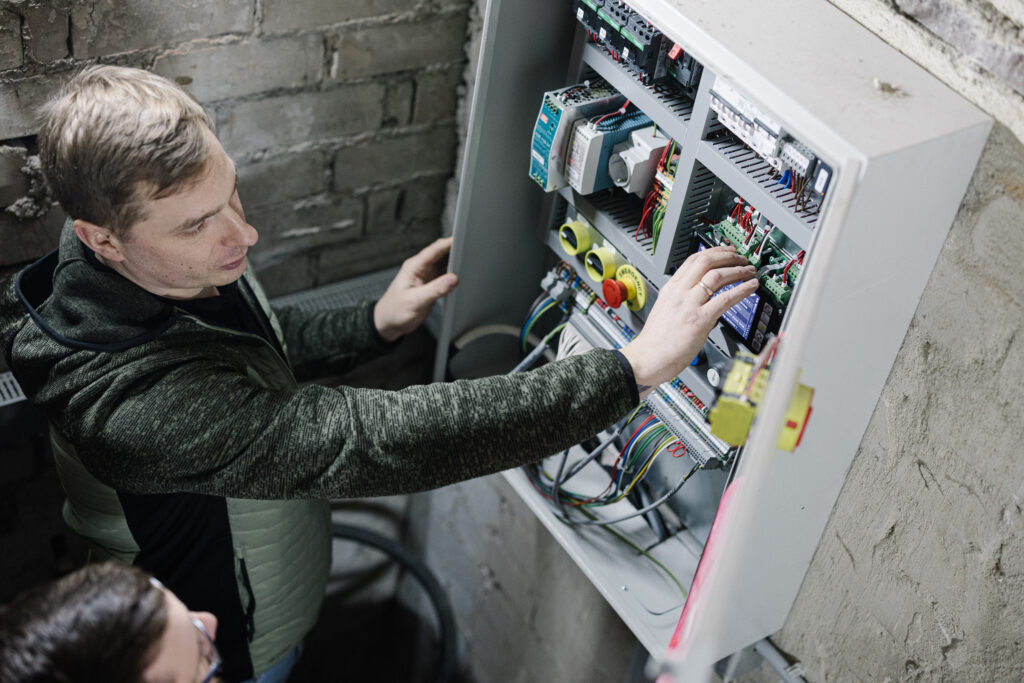
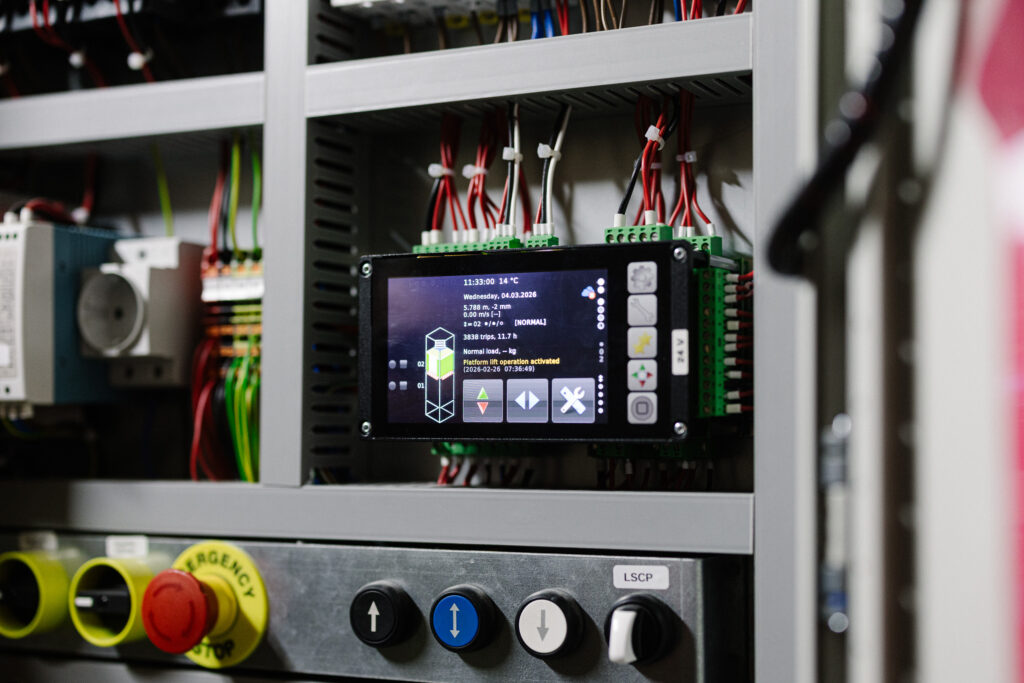
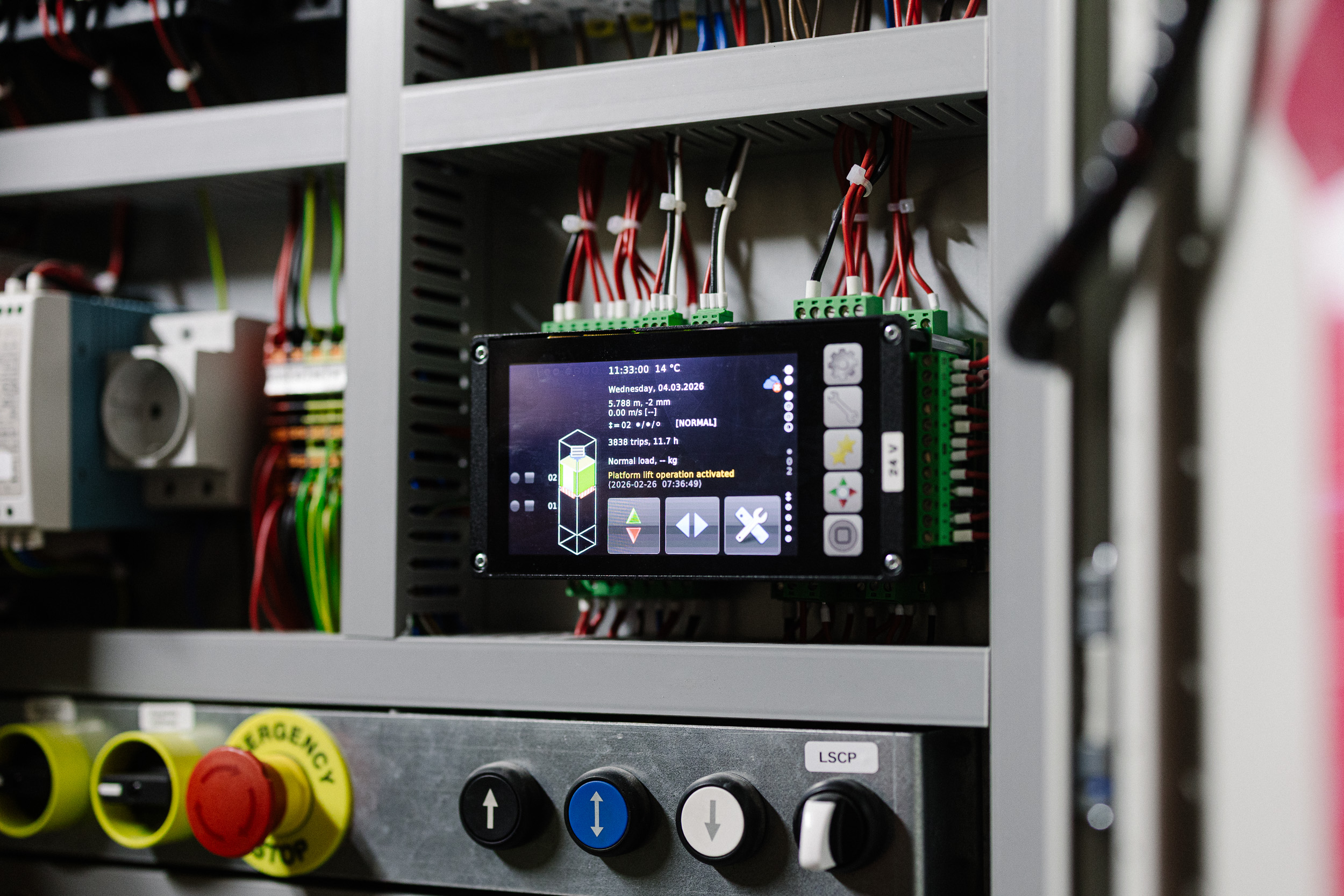
Modern freight elevator installation is as much about software integration as it is about mechanical assembly. While installing robust structural components is a highly standardized process, the critical milestone for any project is the commissioning and safety validation phase required before official handover. To optimize this workflow, modern heavy-duty lifting solutions – such as the Paradis Lifts HS1 and HS2 models – integrate dedicated testing assistants directly into their smart controllers. By shifting from manual diagnostic setups to software-driven testing, developers and technicians can significantly accelerate the path to regulatory approval and long-term operational readiness.
Dedicated Environmental Control During Setup
Before a lift is fully commissioned for daily operations, the installation environment requires specific safety parameters. The Assembly/Installation Operation Mode allows the system to operate under a tailored control profile specifically designed for the build phase. This gives technicians precise control over the lift’s movements before the final, permanent operating parameters are locked in.
Software-Driven Emergency Simulation
Validating critical safety components like the Unintended Car Movement Protection (UCMP) system typically requires complex physical scenarios. Modern controllers streamline this via the UCM-Testing Operation function, which digitally simulates a movement anomaly to instantly verify that the safety systems respond correctly. The same software-driven approach applies to Runtime Supervision Testing, which simulates a runtime limiter activation event. This guarantees the hydraulic system will automatically safely shut down if a trip exceeds its pre-programmed duration, preventing equipment damage without needing to run real-world failure stress tests.
Optimizing Preliminary Sensor Diagnostics
While certified physical weights remain a strict regulatory requirement for final statutory load testing, using them for intermediate sensor calibration is highly inefficient. The Overload Indication Testing-Assistant solves this by digitally simulating an overload event. This allows technicians to instantly verify that the cabin’s buzzers and visual displays are fully responsive during routine alignment steps, saving valuable time during the pre-inspection phase.
Advanced Circuit Troubleshooting
Diagnosing electrical and systemic logic should not involve manual wiring adjustments. The Safety circuit bridge Testing-Assistant allows technicians to safely simulate a safety circuit bridge event directly through the software. This enables the installation team to precisely monitor the controller’s diagnostic response to circuit anomalies in a completely controlled, risk-free environment.
Data-Driven Diagnostics and Maintenance
Long-term reliability relies on precise data collection and efficient maintenance protocols.
Service Trip/Position Operation: When maintenance is required, this function allows the technician to quickly check if the car is occupied and automatically dispatch it to a designated service landing. The cabin remains stationary there, ensuring safe access to the shaft while preventing standard landing calls from interrupting the work.
Drive Curve, Distances & Deceleration: To achieve the smooth ride quality expected in modern facilities, this tool provides live telemetry on velocity, distance travelled, and deceleration. Access to this precision data allows for immediate fine-tuning of the hydraulic system to minimize noise and mechanical vibrations.
Precision Engineering Driven by Smart Software
The value of a modern hydraulic cargo lift lies in its ability to combine heavy-duty hardware with intelligent digital workflows. By embedding these testing assistants into the core infrastructure, Paradis Lifts ensures that the commissioning phase is precise, verifiable, and aligned with modern engineering standards.