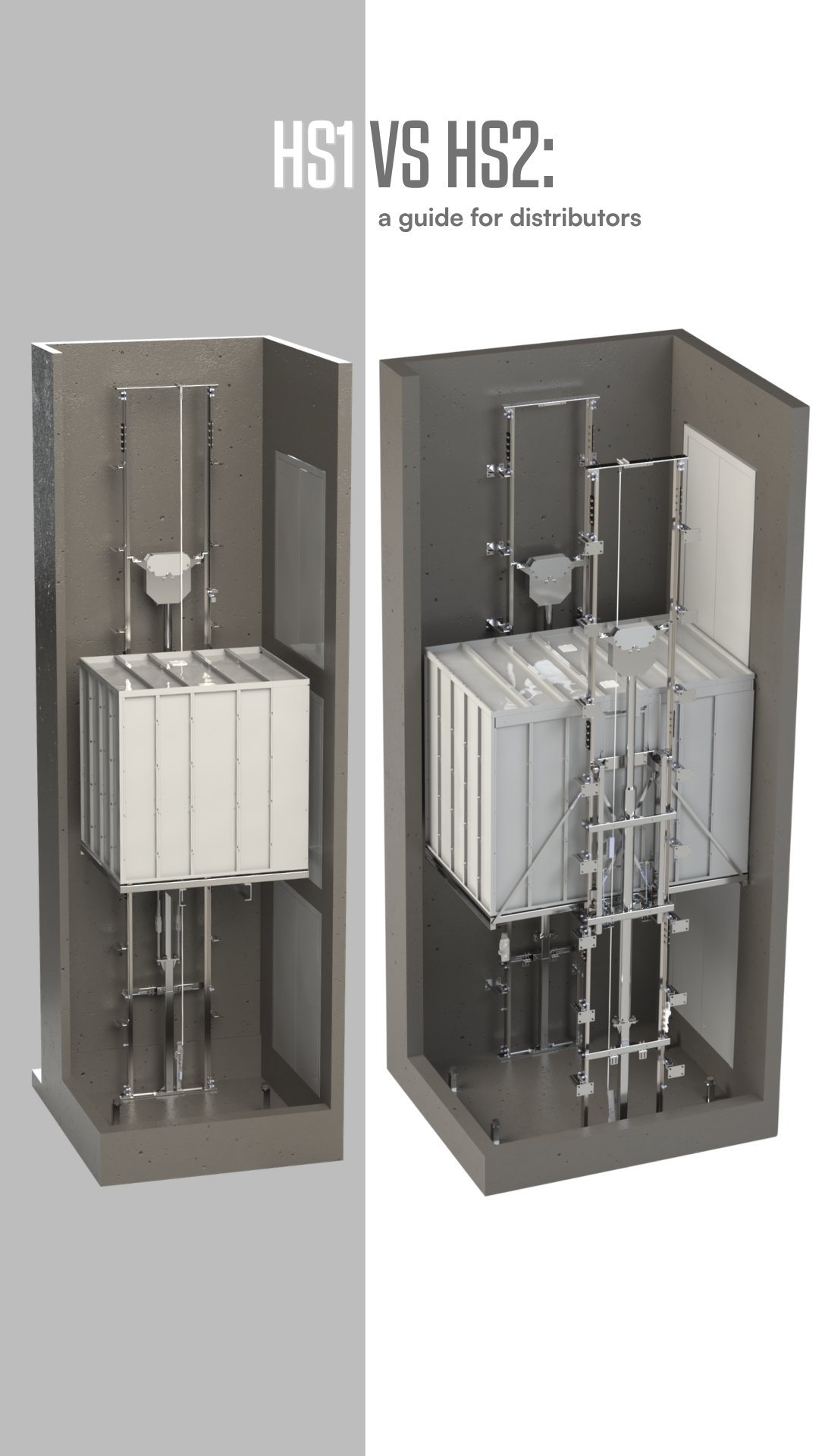
If you’ve ever found yourself on a client call, unsure whether to recommend the HS1 or the HS2, this one’s for you. Both lifts come from the same engineering philosophy – built for demanding environments, designed to integrate into virtually any existing structure, and backed by the same smart technology. But they serve different clients, different workflows, and different scales of operation. Here’s how to tell them apart quickly.
Start with the load
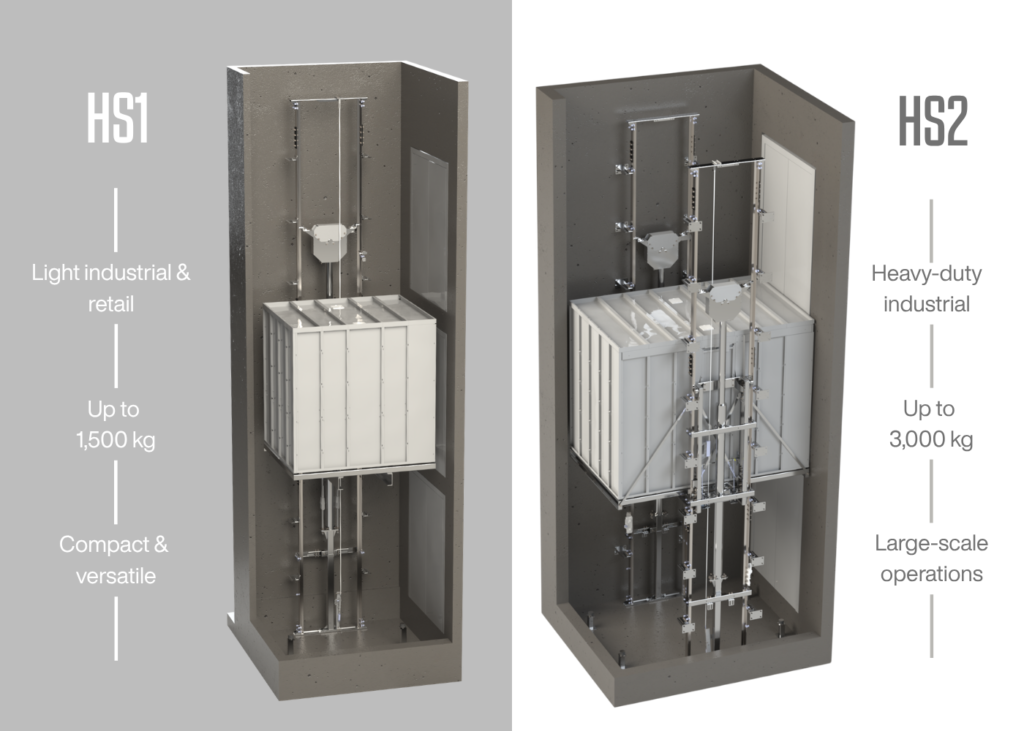
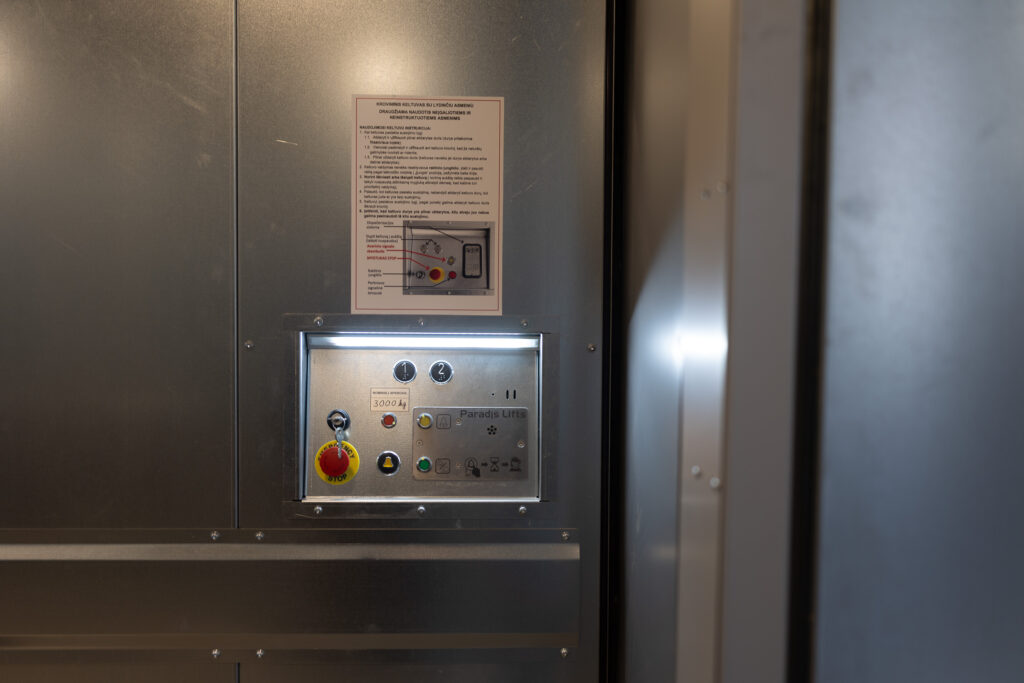
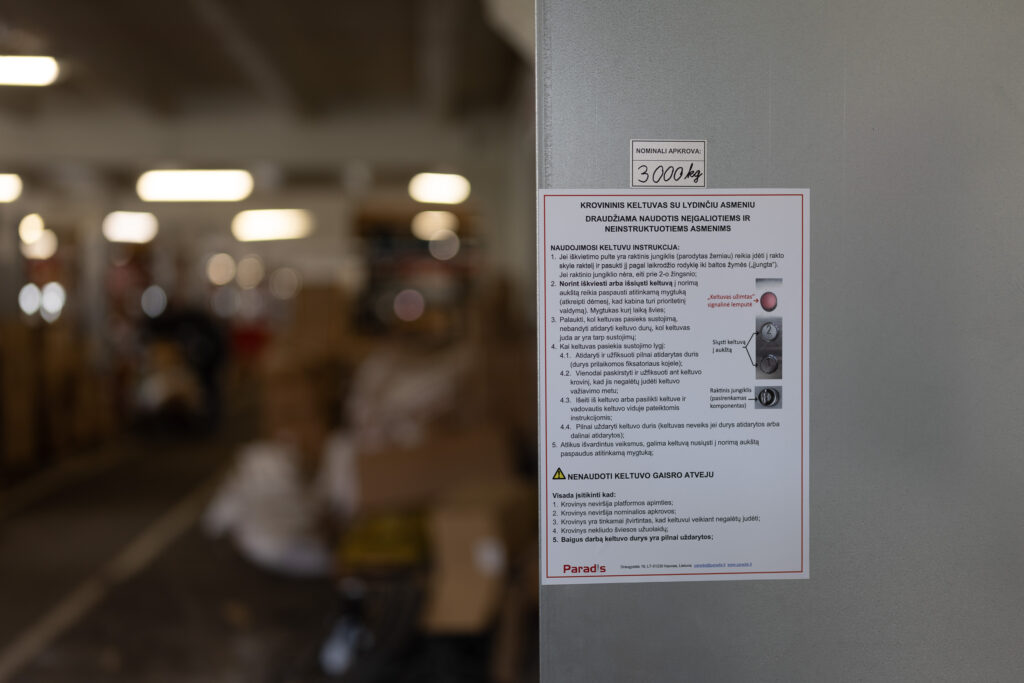
The most immediate differentiator is capacity. The HS1 handles loads of up to 1,500 kg, making it the go-to choice for light industrial and retail environments where throughput matters but the volumes aren’t extreme. The HS2 steps things up significantly, with a rated load of up to 3,000 kg – built for clients who need serious lifting power day in, day out.
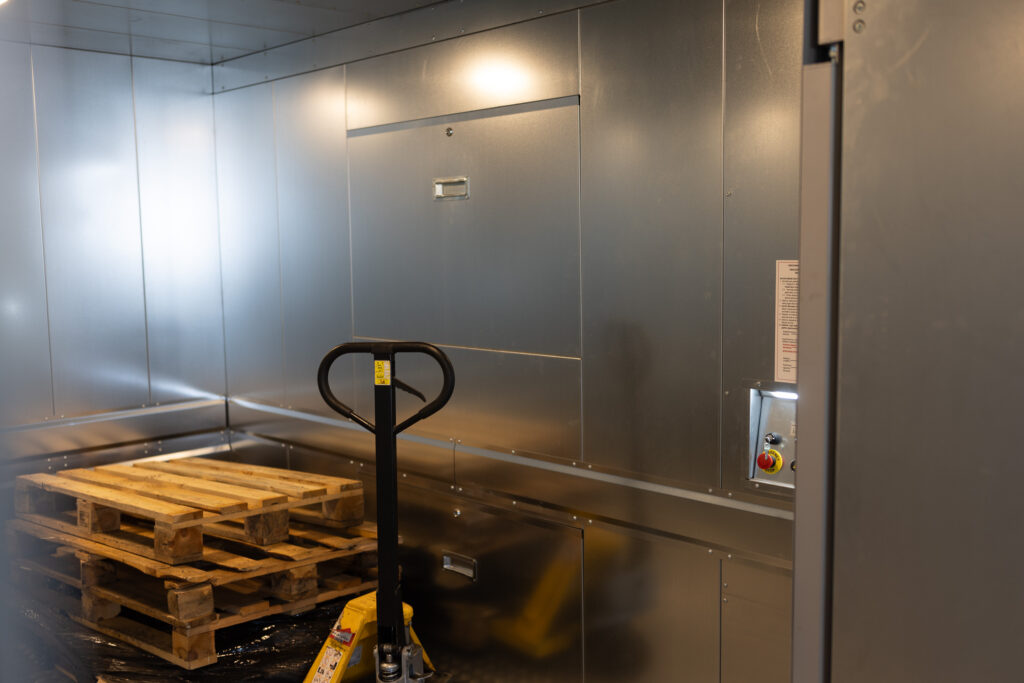
If your client is moving pallets of consumer goods in a retail stockroom, the HS1 will almost certainly do the job. If they’re shifting heavy machinery components in a production facility, the HS2 is the conversation to have.
Then look at the space
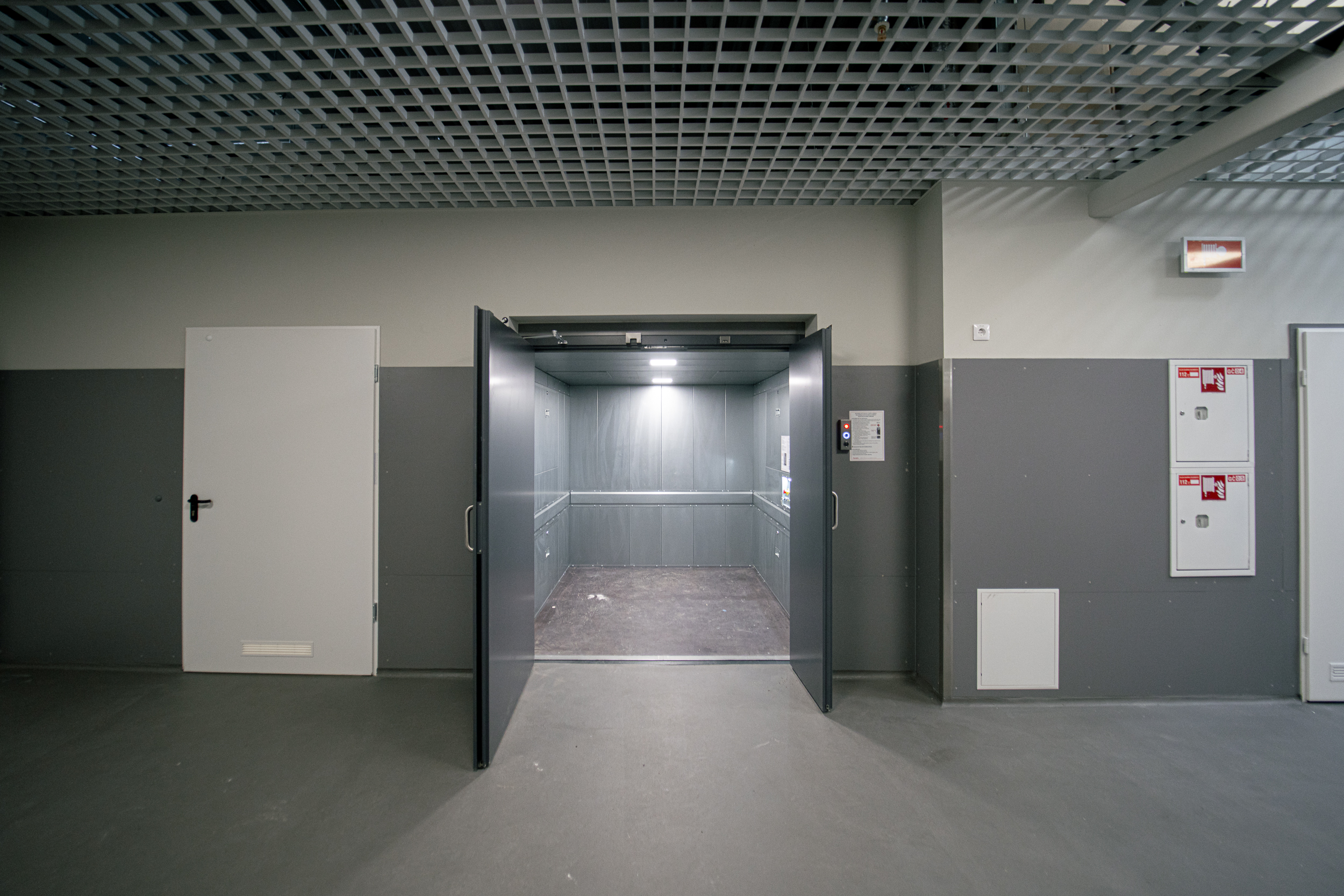
Platform size is the second filter. The HS1 offers a platform of up to 1,5m x 3m – compact, versatile, and well-suited to tighter environments. The HS2 goes up to 3m x 4m, accommodating larger loads and wider access requirements.
This matters more than people often expect. A client in logistics may not need 3,000 kg capacity, but if they’re moving oversized pallets or wide industrial equipment, the HS2’s platform dimensions make it the practical choice regardless of weight.
Consider the environment
Both lifts fit into brick, concrete, or steel frame shafts, and both require a minimum pit depth of just 400 mm – so installation flexibility is strong across the board. But the type of facility your client operates in can still point you in one direction or another.
The HS1 is already in use across furniture manufacturing, robotics and automation, retail, and medical facilities – environments where reliability and a compact footprint are valued. The HS2 tends to find its home in heavier industrial settings: warehouses with high daily trip frequency, production lines moving substantial loads, and logistics centres where downtime is simply not an option.
The technology is the same – and that matters
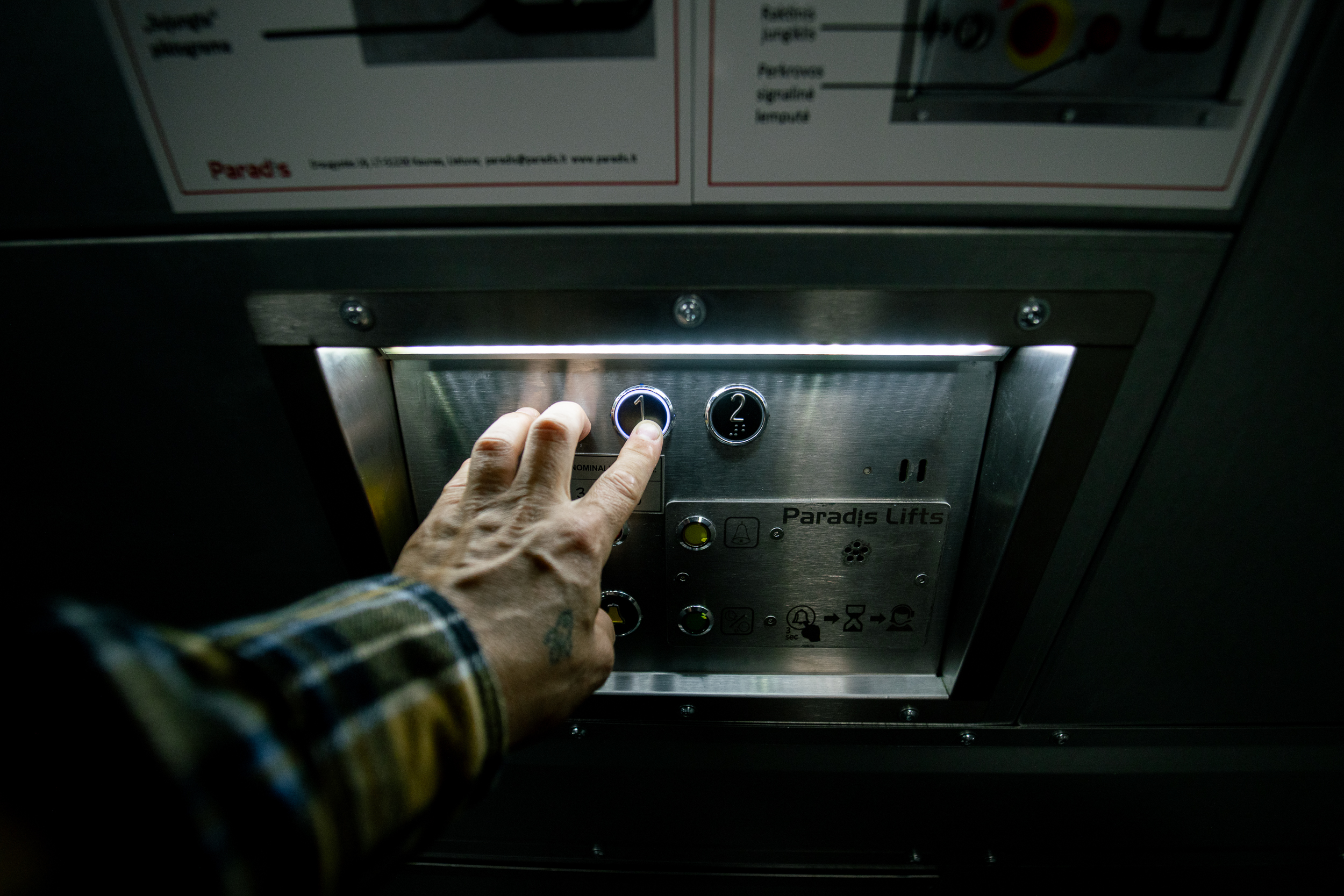
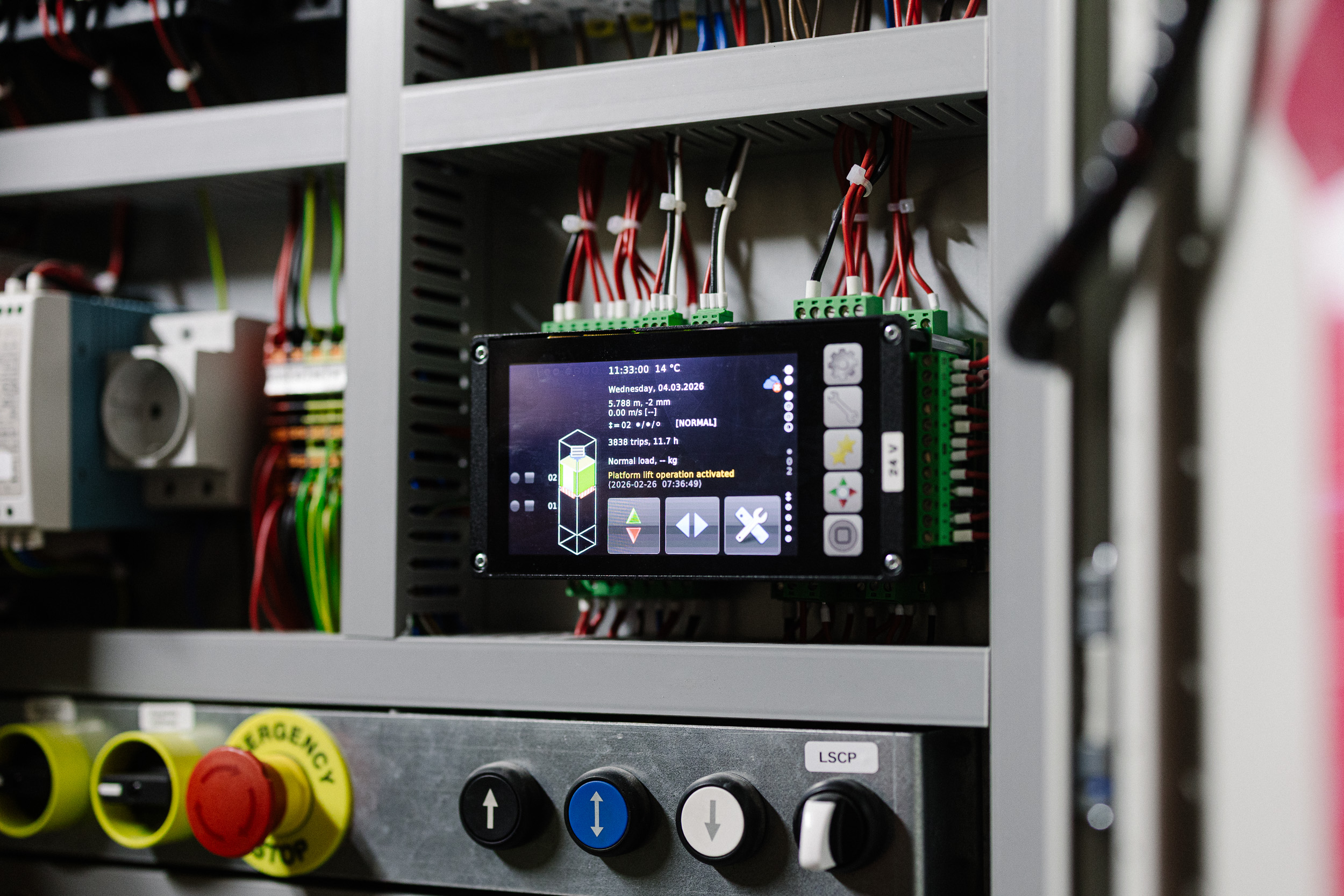
One thing worth communicating clearly to your clients: regardless of which model they choose, they’re getting the same smart controller with off-site monitoring capability, the same soft start and stop system, the same automatic re-levelling, and the same precision positioning via linear encoder. Remote troubleshooting is available on both, which means fewer on-site service calls and lower long-term maintenance costs for your client – and fewer headaches for you.
Customisation works the same way too
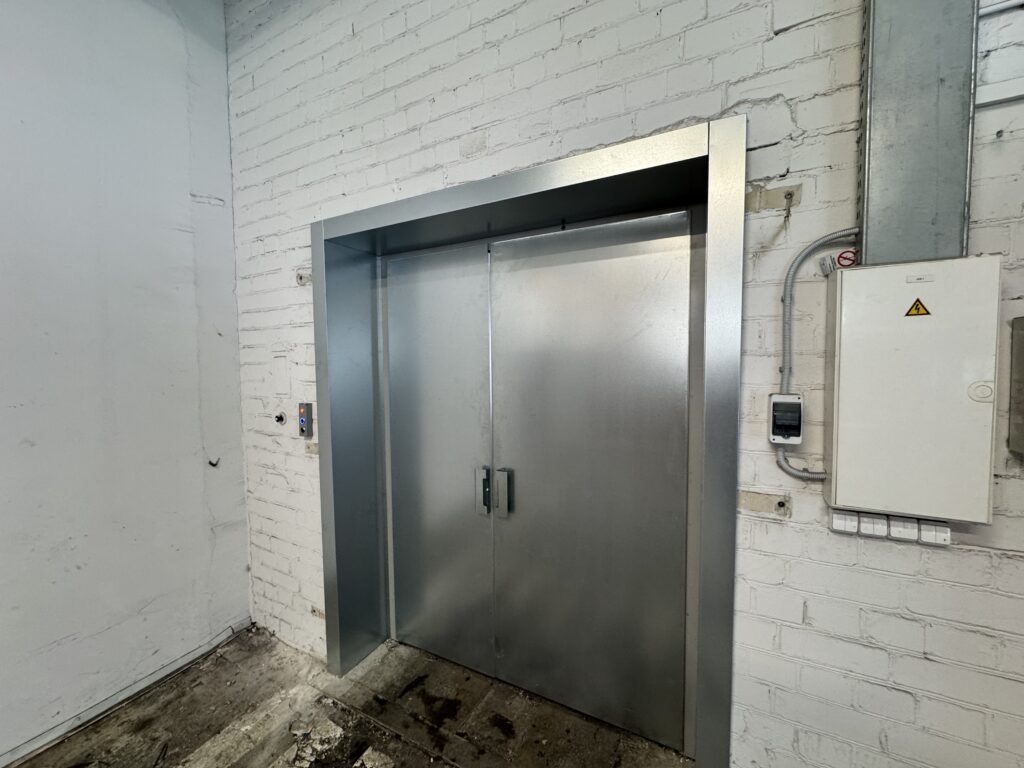
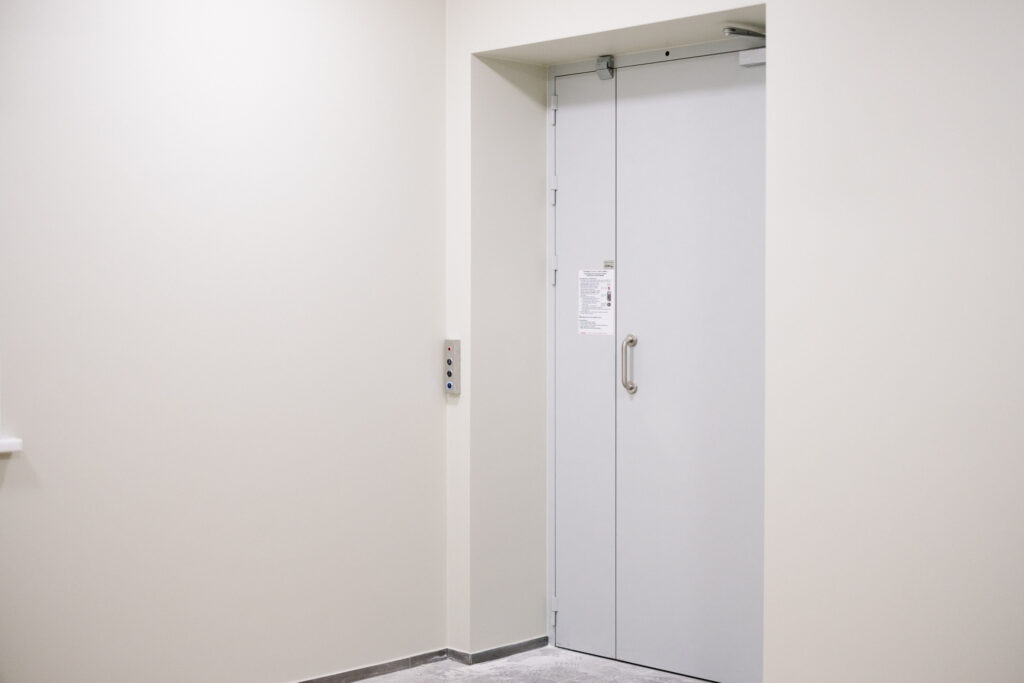
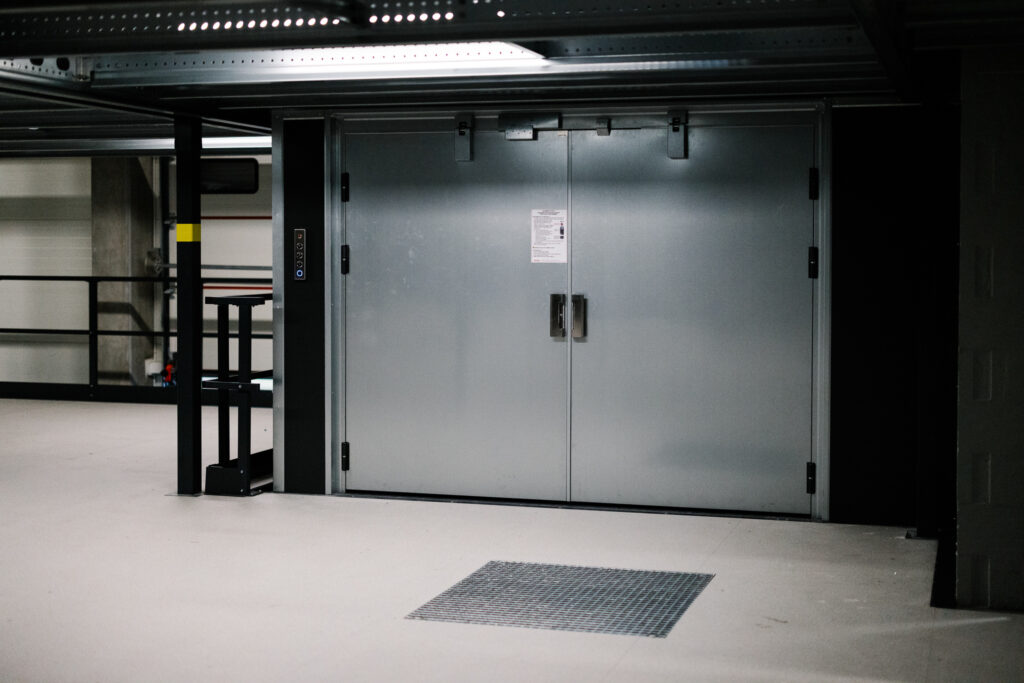
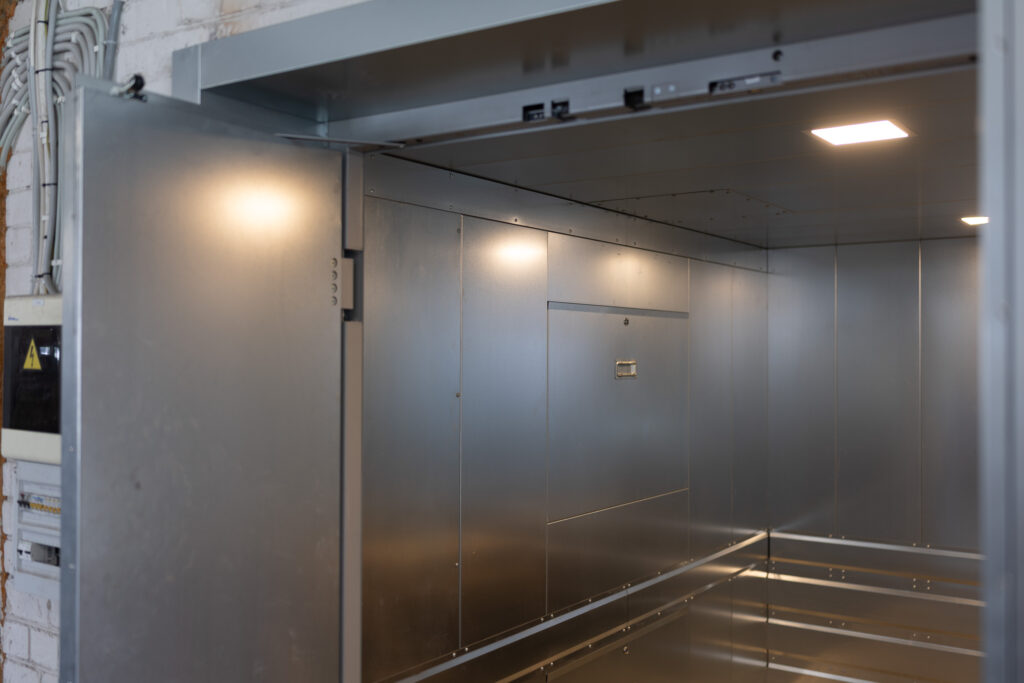
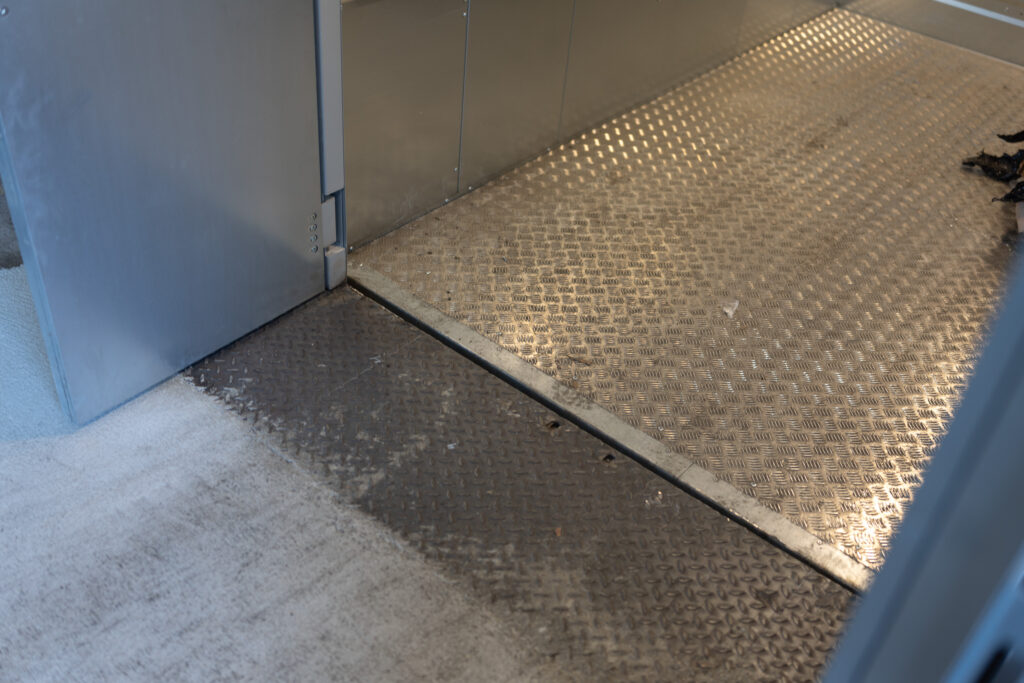
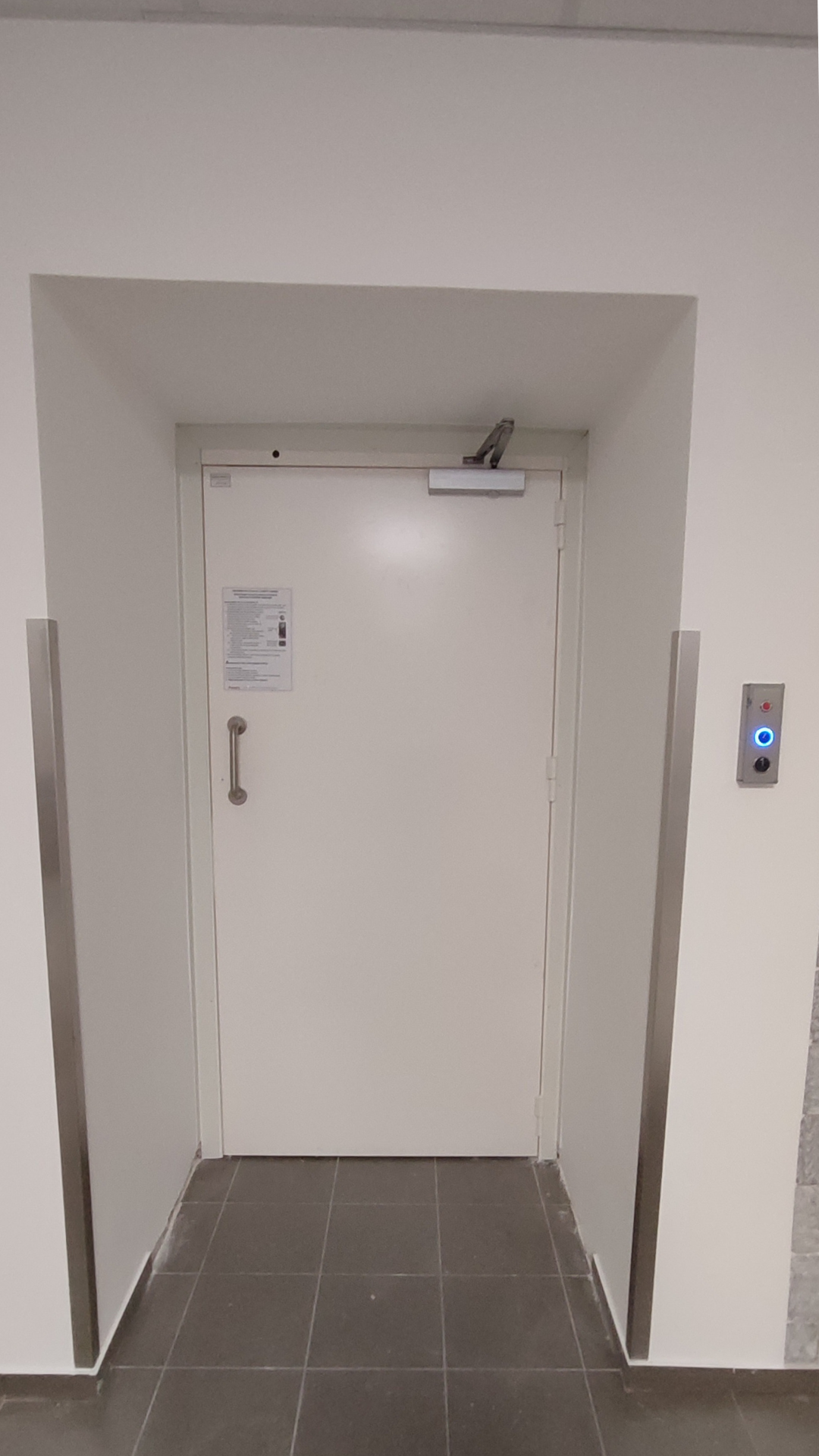
Both the HS1 and HS2 offer the same range of customisation options – doors, walls, floors, ceilings, and controls can all be configured to suit the client’s environment and operational requirements. Whether it’s fire-rated doors for a specific building compliance requirement or a particular floor material to match an existing facility, the configuration options are identical across both models.
The short version
The HS1 is your versatile, cost-effective solution for light to mid-range industrial and commercial applications. The HS2 is your answer when the demands are heavier, the platform needs to be larger, or the environment is more challenging.
Both are built to last, both are built to integrate, and both are backed by the same support from our team – from initial configuration through to remote diagnostics and beyond.
Still unsure which model fits a specific project? Get in touch with us directly and we’ll help you work it out.