The case for goods lifts: reading the 2026 logistics
market for distributors
Most pitches for a goods lift line land on the desk with a spec sheet attached: load capacity, platform size, hydraulic versus traction. Useful detail, but it’s rarely what decides whether you give a product line real shelf space and sales attention. That decision usually comes down to a simpler question: is this a growing category, or a shrinking one?
Look at where European logistics real estate is heading in 2026, and the case for “growing” is fairly strong.
A market running out of new space
The short-term vacancy picture actually looks unremarkable – CBRE’s 2026 European logistics outlook notes that vacancy rose through 2025, with a return to balance only expected in the second half of 2026. What’s more telling is what’s happening behind that number: the same outlook has 12-month rolling completions falling to a nine-year low, with speculative development staying tightly controlled even in markets that have traditionally welcomed it, such as Spain and Poland. CBRE’s Q1 2026 leasing figures put it plainly: take-up has held broadly steady for seven consecutive quarters, while the building pipeline behind it has all but dried up.
Put those two things together and the real story isn’t “no space available” – it’s “very little new space coming.” Occupiers who need a different location or a more modern specification have fewer options to solve that by simply moving somewhere newer, which is exactly why more of them are looking again at buildings they might previously have written off.
None of that shows up on a lift’s spec sheet. But it’s a big part of why retrofit is turning from a fallback into a first choice.
Building up, and building back
When new land isn’t available, or planning permission takes years, the alternative is making better use of what’s already standing: converting older industrial buildings, adding mezzanine levels, or extending upward rather than outward. CBRE Investment Management frames this as a genuine structural shift – new development constrained by geography, planning rules and cost, leaving the market undersupplied with modern space even as obsolescence risk climbs for older, unmodernised stock.
Urban and last-mile logistics is a particular growth pocket within that shift. Savills’ most recent outlook cites its European Logistics Census finding that 68% of investors surveyed are specifically targeting last-mile assets, with urban and multi-let industrial property named as receiving increased attention. Multi-storey, in-city distribution is no longer a niche case – it’s where a meaningful share of new investment is heading.
Buildings like these come with real physical constraints: fixed floor-to-floor heights, tight footprints, no room for a deep lift pit. A goods lift that needs a two-metre pit and generous headroom simply won’t fit into half of these projects. One built around a shallow pit and low headroom will.
Automation is changing what "lift" means
The other theme running through CBRE’s 2026 outlook is automation: a costly commitment for many occupiers, but one the report treats as a long-term efficiency play rather than an optional extra. That’s a broader warehouse story than lifts specifically – CBRE is talking about picking, storage and fulfilment systems, not vertical transport. But it raises an obvious question for anything moving goods between floors in an increasingly automated building: does it fit into that system, or sit outside it as a manual step in an otherwise automated chain?
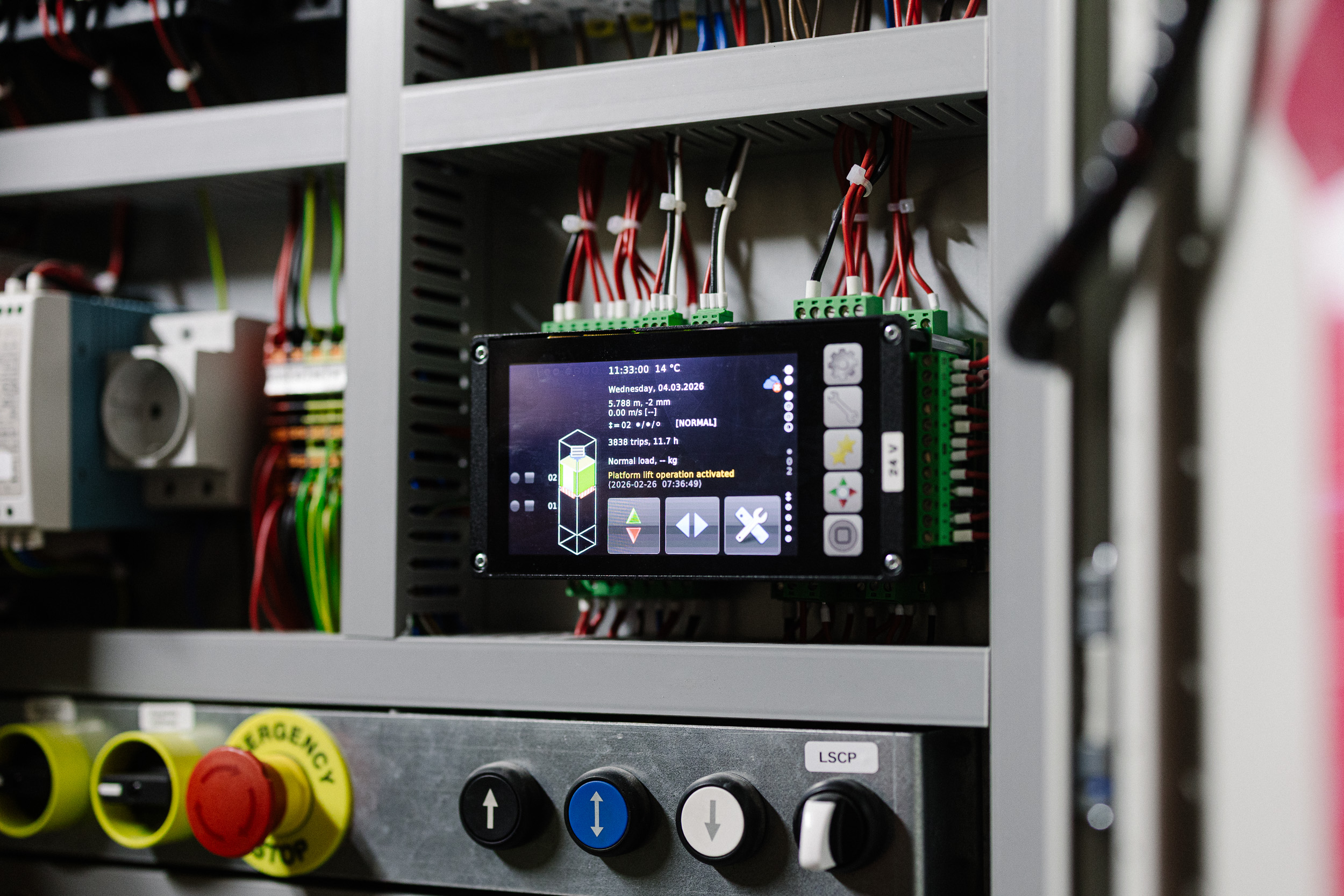
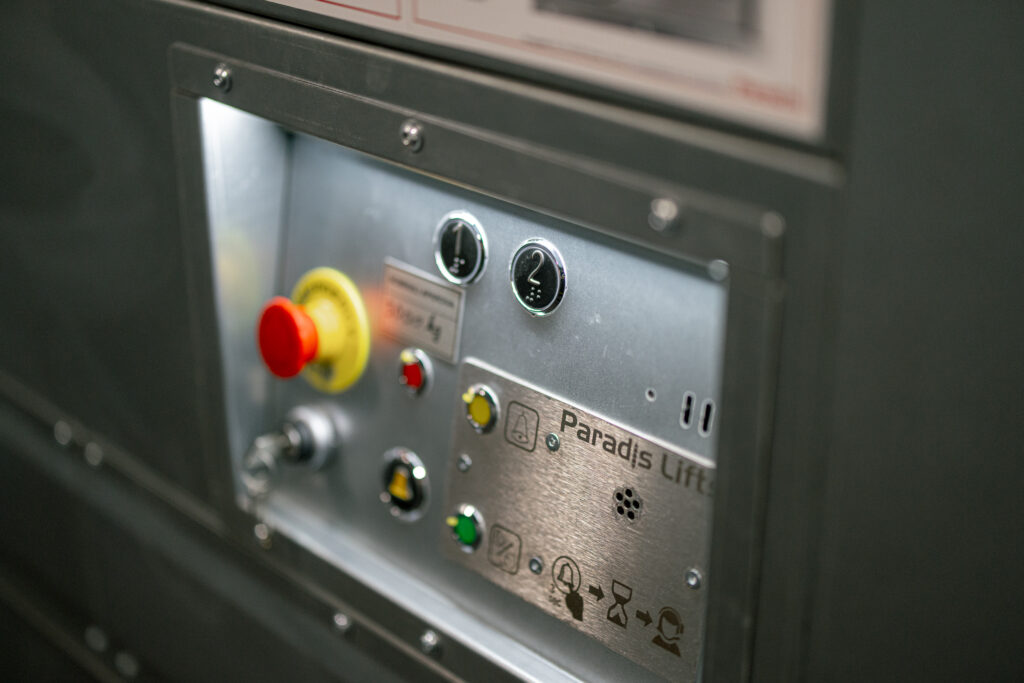
A lift that can report its own status remotely, communicate via an MQTT interface for IoT functionality, and seamlessly integrate into environments alongside robotics and automation fits the direction these warehouses are already heading. In an increasingly integrated workflow, a lift that remains a data black box, isolated from the wider facility monitoring network, is becoming the exception, not the standard.
What this means for your portfolio
None of this depends on any one distributor’s existing lineup – it holds for the category as a whole, regardless of whose lift is currently on the shelf. The development pipeline has thinned to a nine-year low, retrofit and modernisation are carrying more of the market’s growth than new-build, urban and last-mile logistics is pulling in fresh investment, and automation is raising the baseline for what “smart” equipment needs to do.
If you’re deciding where to focus sales effort this year, goods lifts sit at the intersection of all four trends – particularly lifts designed to retrofit into constrained, older buildings rather than purpose-built mega-sheds.
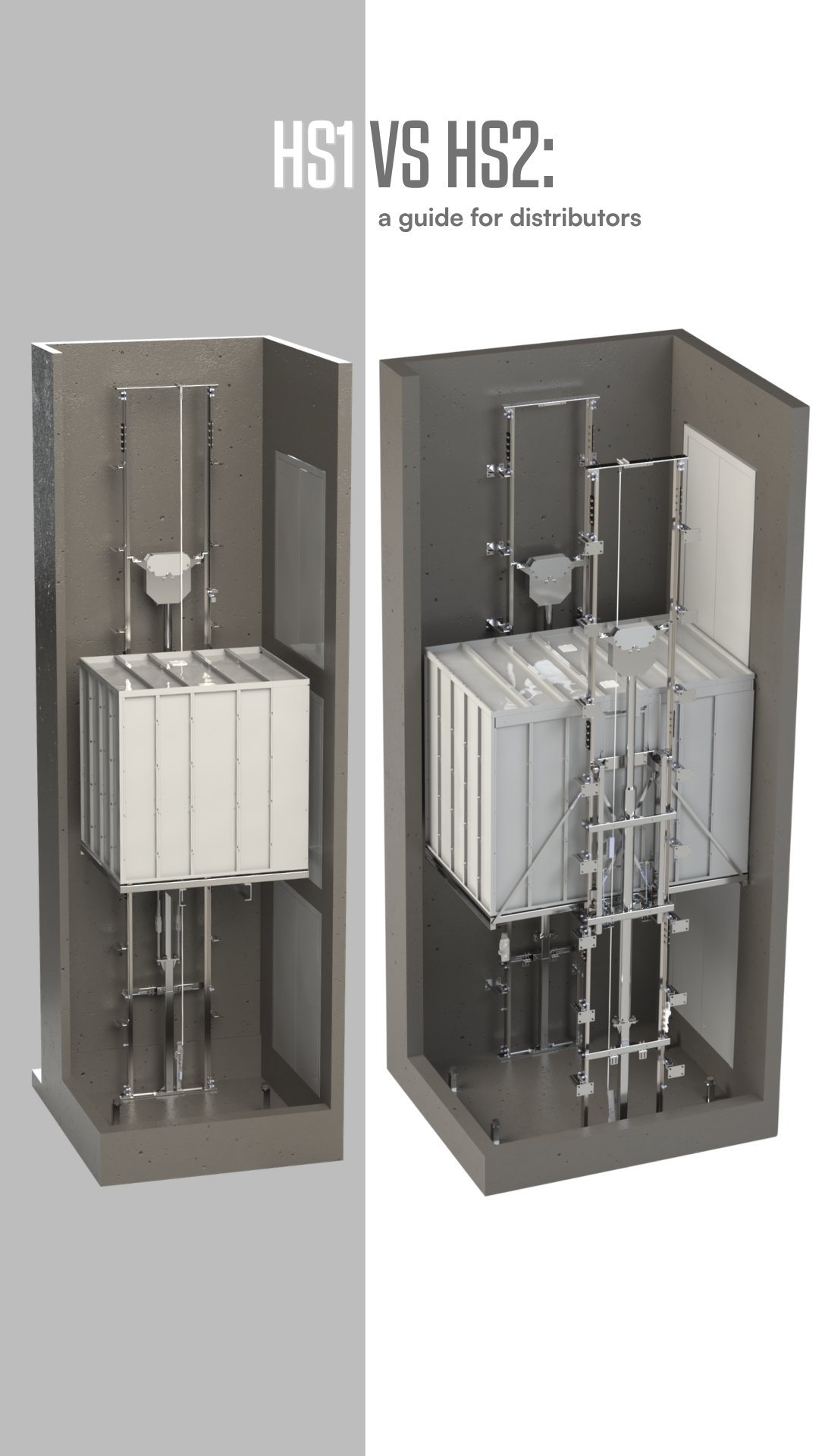
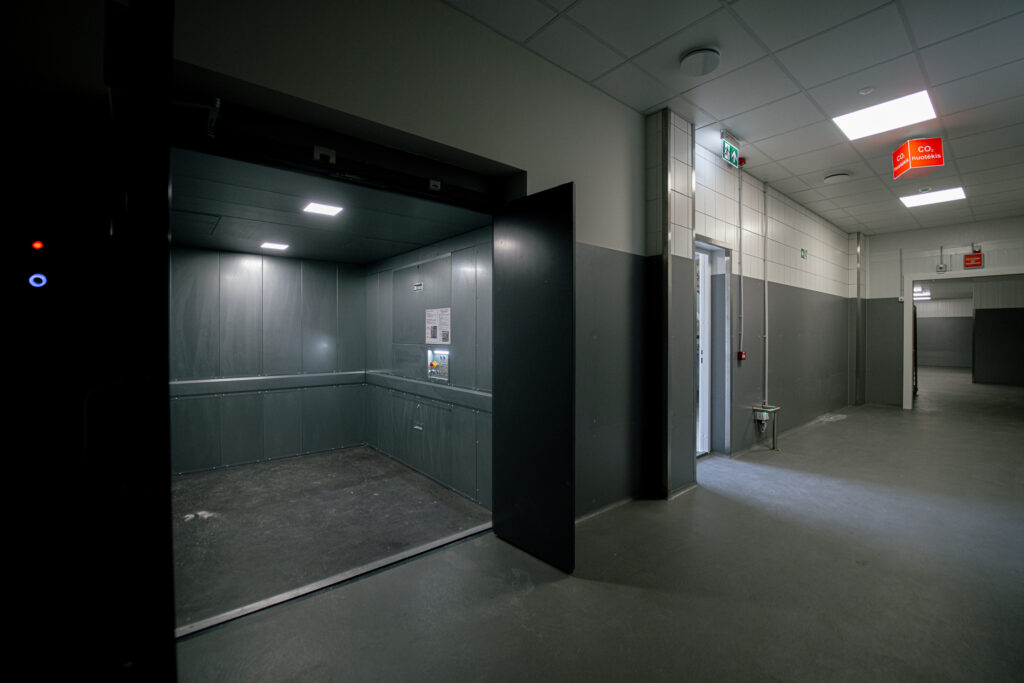
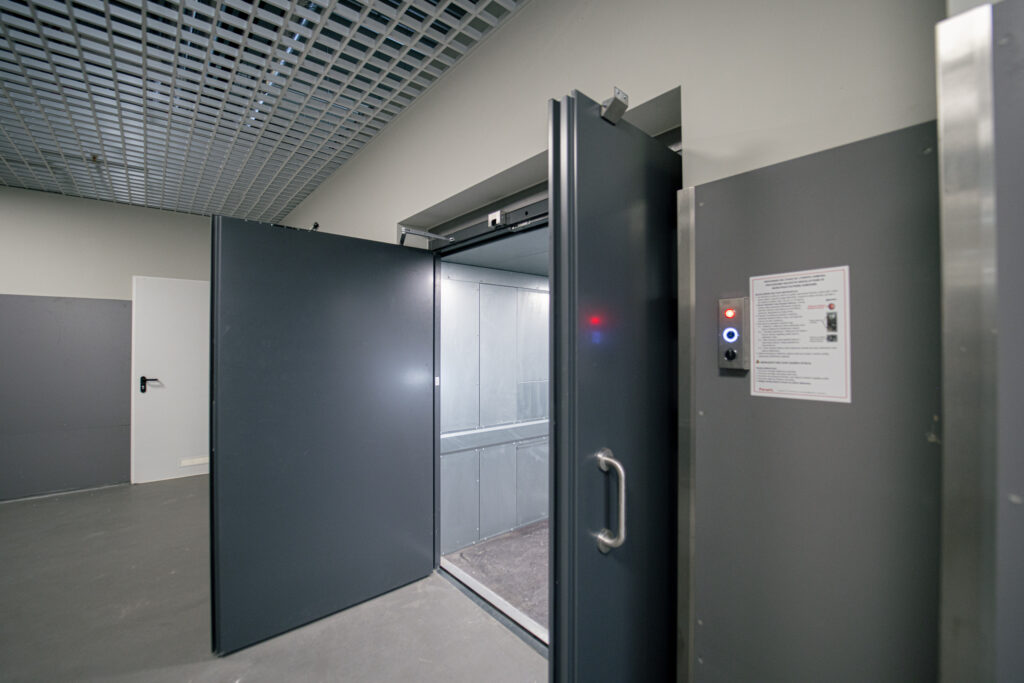
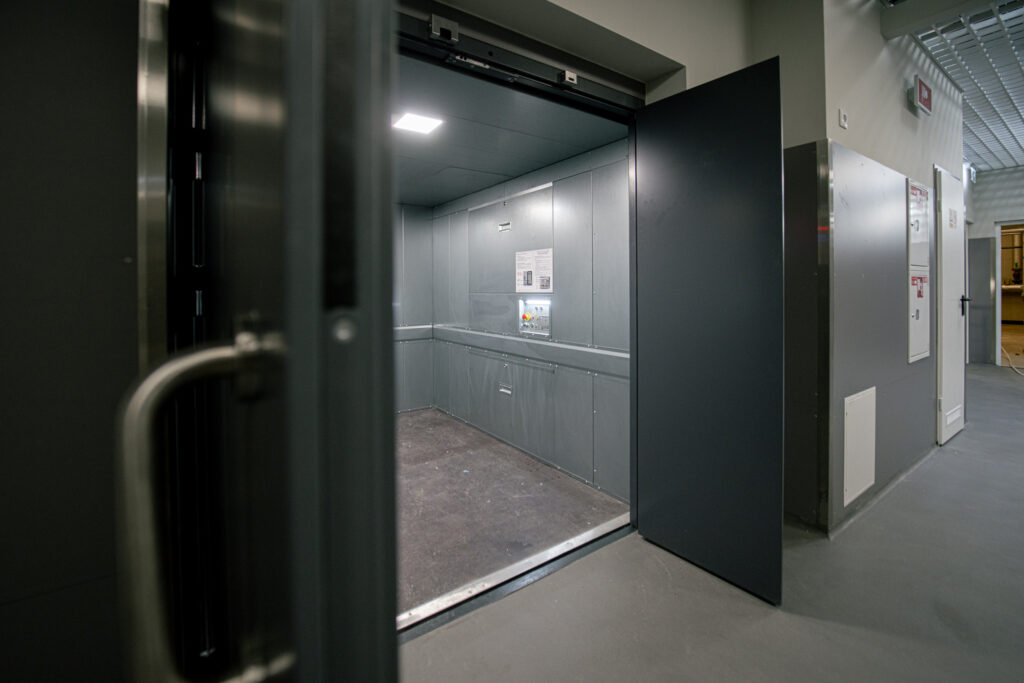
That is not a coincidence – it is the gap Cargo HS is built to close. Between HS1 and HS2, the range covers 1,000 to 3,000 kg without demanding the pit depth or headroom a purpose-built shed can afford: a 400 mm pit and 2,400 mm headroom are enough for most of the older, space-constrained buildings now driving the retrofit wave. And while the smart controller behind both models enables off-site monitoring via the cloud or a local area network, a linear encoder allows for electronic stop-level adjustment with no physical modifications required – letting the lift sit inside an increasingly automated operation instead of outside it.
If you’d like to talk through where Cargo HS fits into that picture for your market, get in touch with our export team.