At Paradis Lifts, our strength lies in our people. Today, we are sitting down with Evaldas Radzevičius, our Mechanical Design Engineer, to discuss the challenges of modern lift design, the importance of safety standards, and what it takes to bring a vision to life.
Q: What is your main focus as a Mechanical Engineer here at Paradis Lifts?
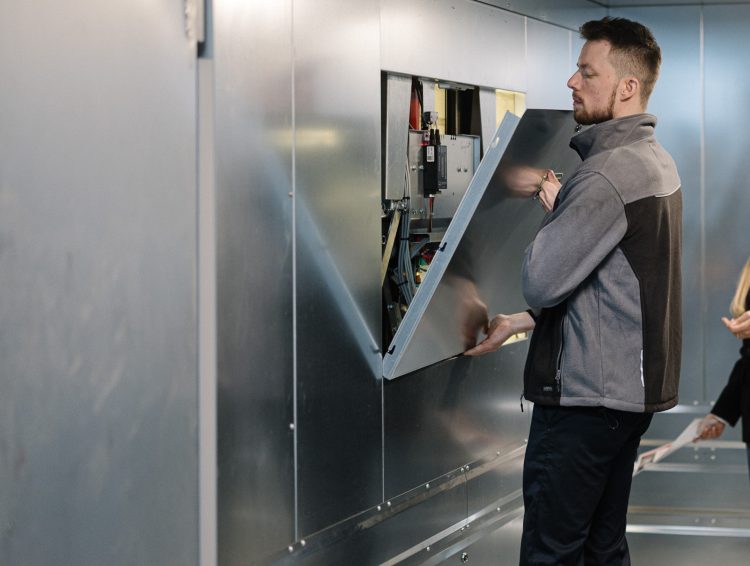
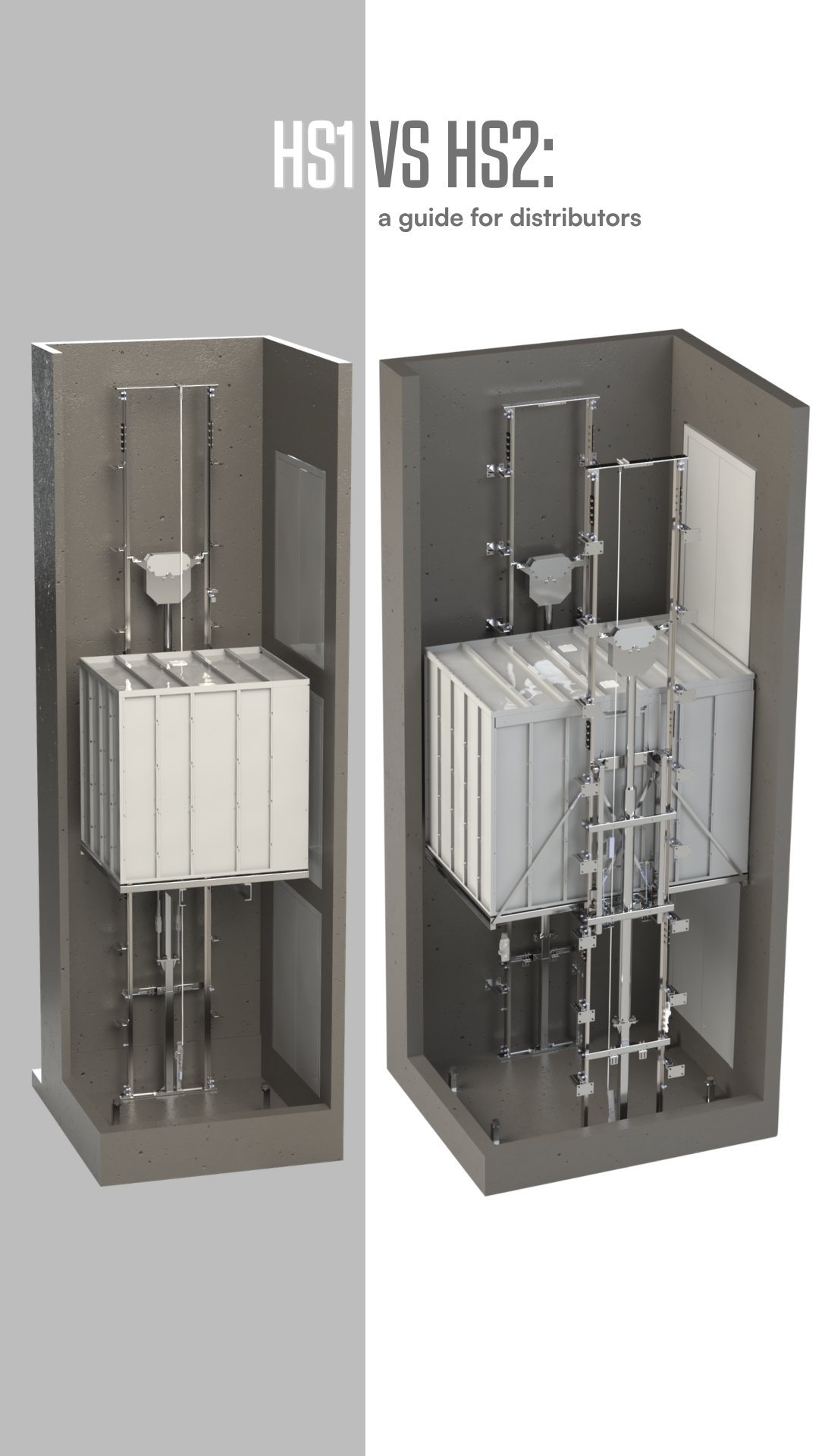
At Paradis Lifts my main duties are keeping up to date with EU standards, developing our upcoming line of homelifts, and devising specialised solutions for lifting appliances with specific requirements.
Q: What does a typical day look like for you, and which part of the engineering process do you find most rewarding?
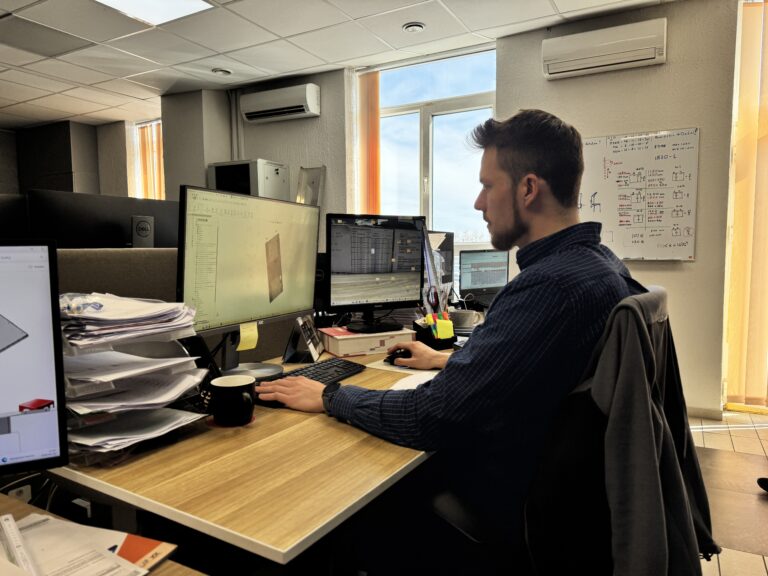
As is often the case for office engineers, my day starts with a big cup of coffee or tea and responding to emails. Afterwards, I usually continue working on my current project. The two parts of engineering I find most rewarding are seeing my vision come to life, and having a ‘Eureka!’ moment when coming up with a solution to a demanding problem (usually preceded by a few abandoned ideas and hastily scratched-out sketches on paper).
Q: What is the biggest challenge when engineering equipment designed for heavy-duty industrial use?
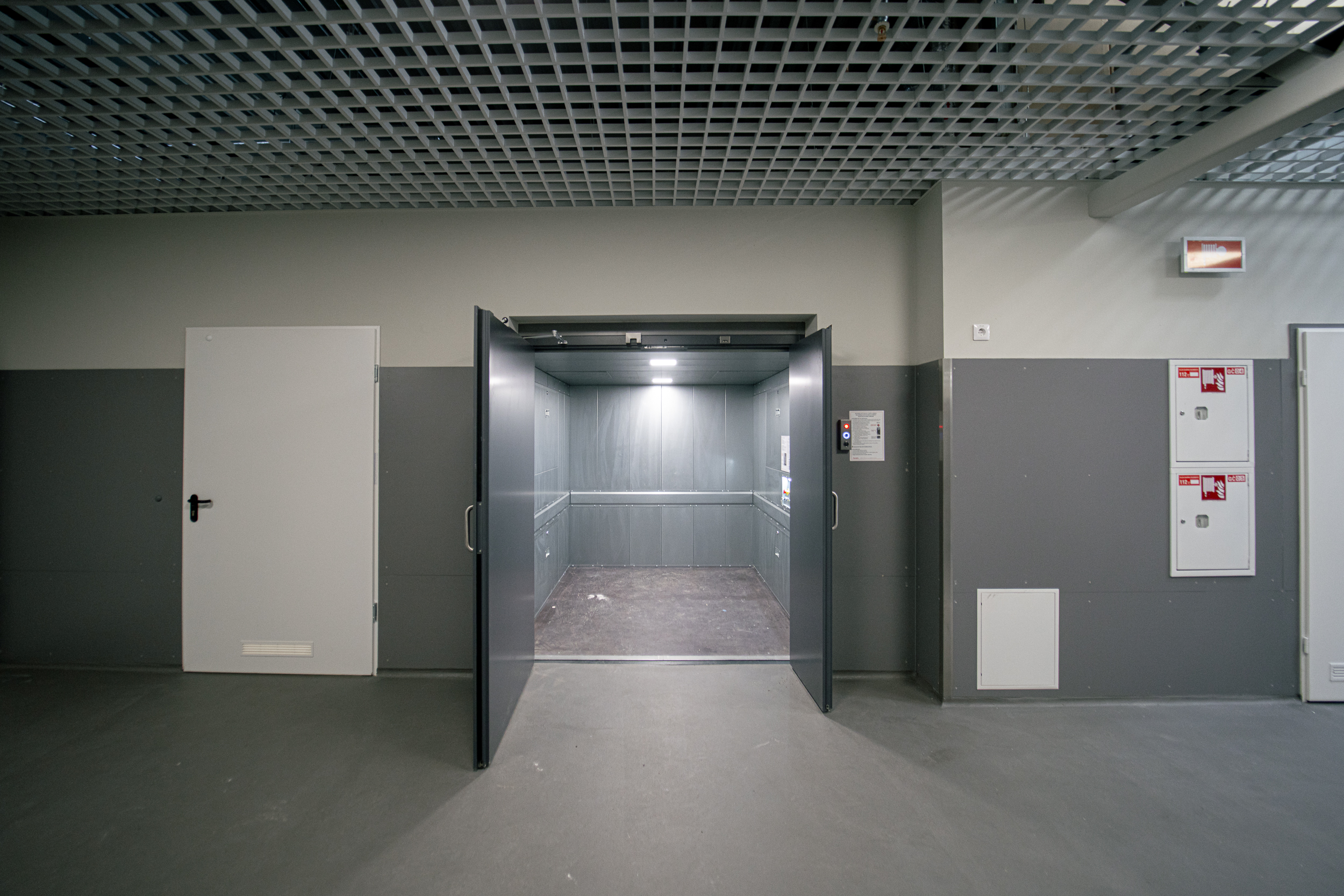
The biggest challenge likely is finding elegant solutions that keep the cost and production time reasonable while maintaining safety and ensuring reliability. It is easy to design a structure that can cope with the loads. Designing one that can do that while remaining competitive in the market of today is much harder.
Q: Is there a specific technical detail or project you are particularly proud of?
The project I was most proud of was our first homegrown elevator with a full big-vision glass cabin. After a lot of consideration, I came up with a method of fastening the glass panels that had a seamless, minimalistic design and was easy to assemble on-site.
Q: How do your engineering choices ensure that Paradis Lifts products prioritise maximum safety and reliability?
From an engineering perspective, safety is mostly achieved by taking into account possible misuse cases and ensuring sufficient safety factors (my mentor used to call those the ‘sleeping well coefficients’). Luckily for us, the standards outline a lot of the possible cases, but I still always try to think up scenarios I have to take into account, as the standards are quite general in nature. Both safety and reliability are also a function of the thorough testing we do before a new solution comes to market.
Q: Which emerging technologies or trends are currently having the biggest impact on the future of cargo lift design?
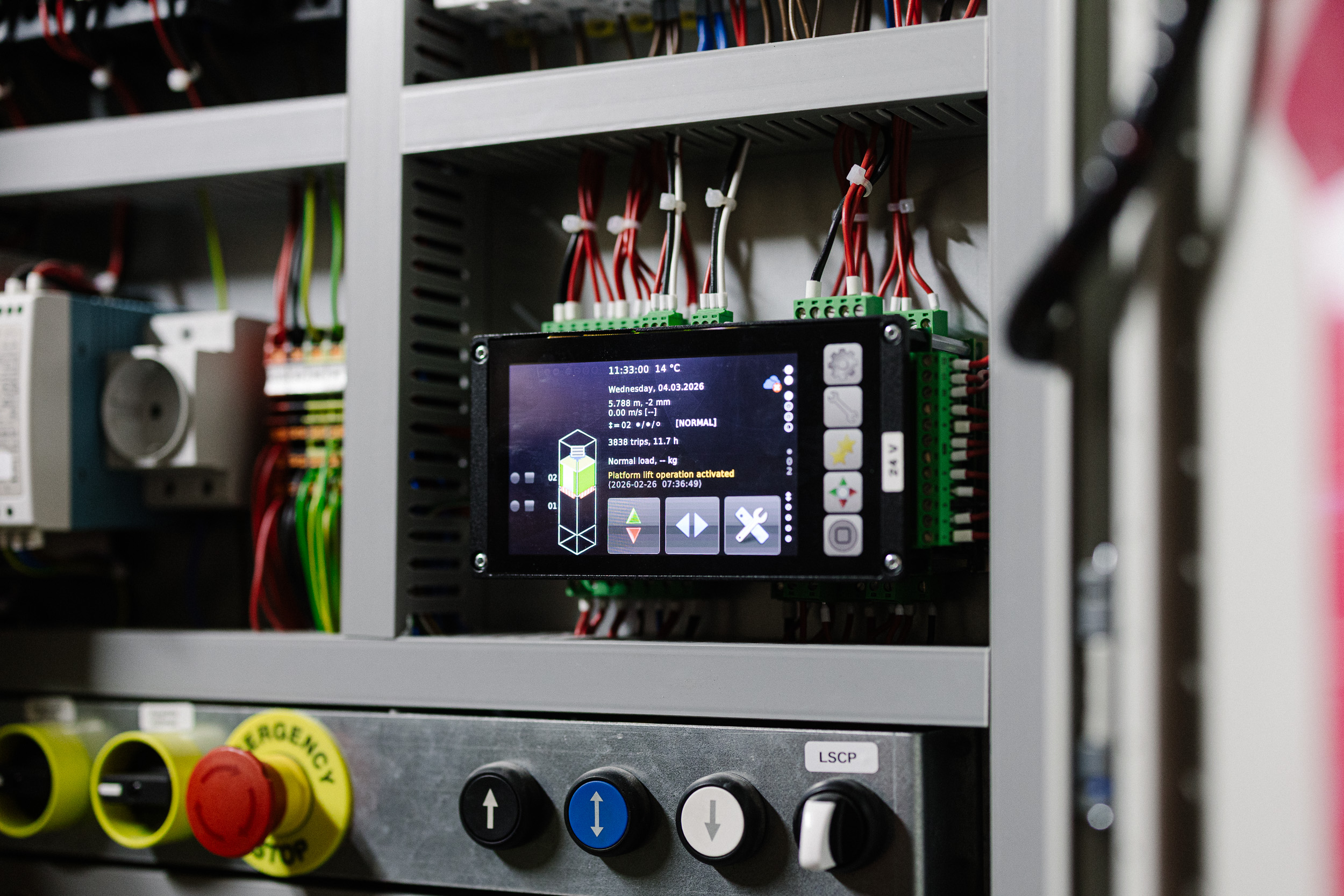
While not entirely novel, off-site monitoring and IoT connectivity in lifts help us to determine the causality of any possible issues that may arise in real-world scenarios. This helps us solve problems in a far quicker and more evidence-based way.
Q: What is the most rewarding aspect for you of being part of the Paradis Lifts team?
I appreciate the creative freedom I have the most, few engineers at my point in their career have such opportunities to dream-up novel solutions and express their ideas. My team is always very receptive to my propositions.

![20260225_IMG_0272_[povilas@paradis.lt]](https://paradislifts.com/wp-content/uploads/elementor/thumbs/20260225_IMG_0272_povilas@paradis.lt_-1-scaled-rlsuh6wvlaees6nz8fvpfpd076y2cnphihkqy8pxki.jpeg "20260225_IMG_0272_[povilas@paradis.lt]")