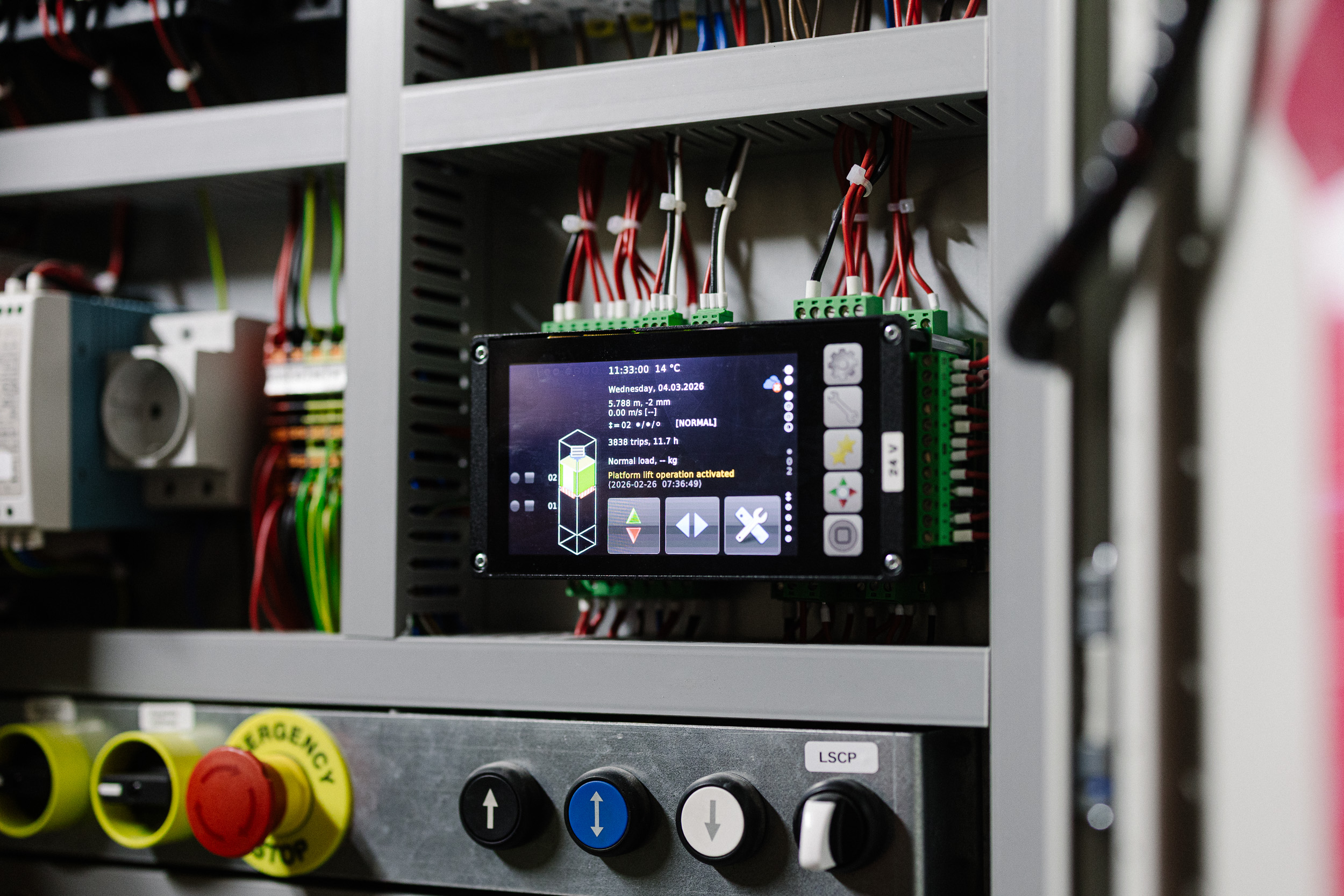
Warehouse modernisation: technical considerations
for vertical transportation
2025 04 20
Warehouse refurbishment projects are frequently focused on structural layout and storage capacity, yet the long-term efficiency of a facility is closely linked to the reliability of its vertical transport. Integrating a cargo lift into a refurbished warehouse is about ensuring that the vertical flow of goods matches the facility’s new operational capacity.
Operational reliability and throughput
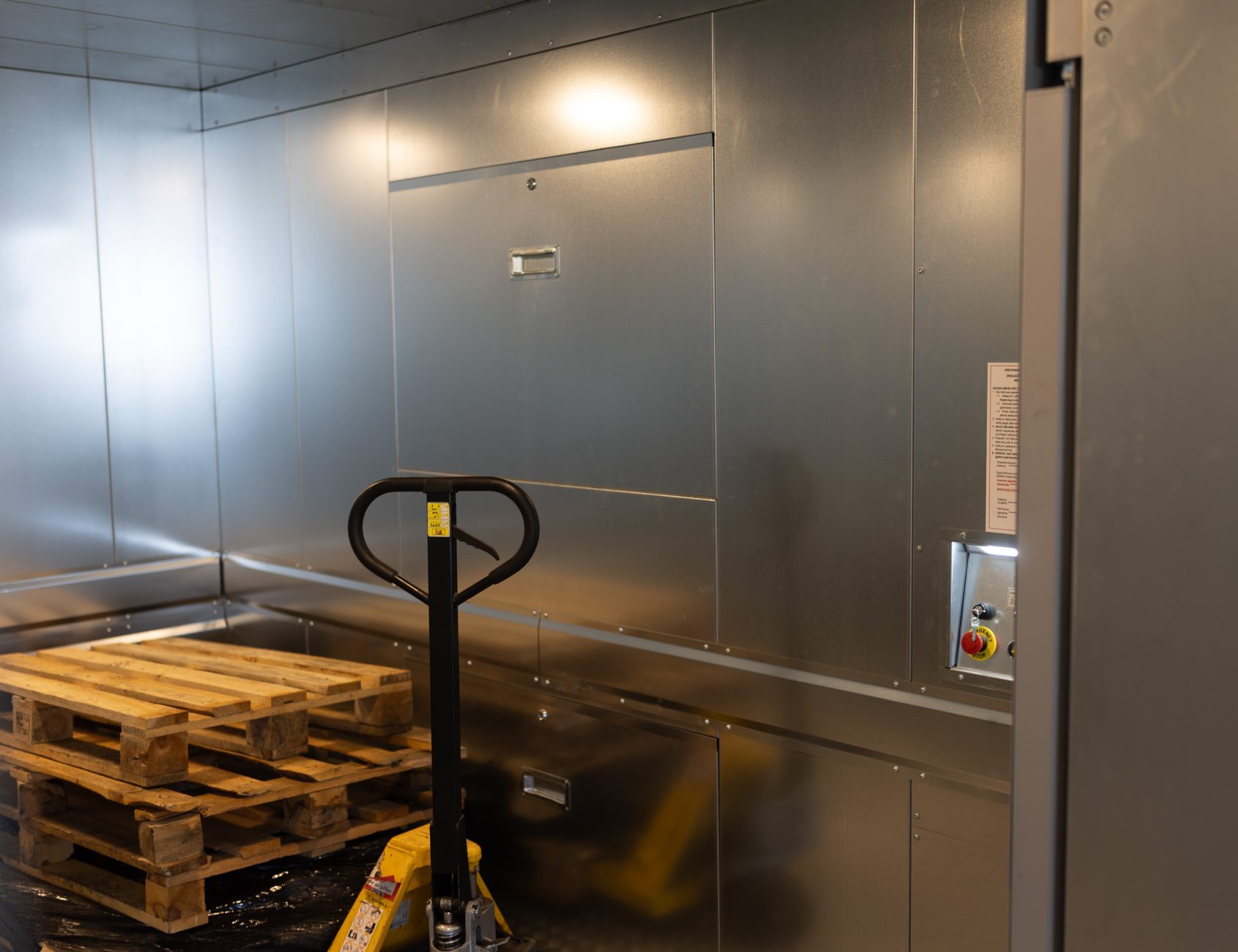
To support a high-throughput environment, a cargo lift must be engineered to withstand the rigours of heavy-duty industrial use. Modernising a facility means installing equipment that maintains uptime under pressure, providing warehouse operators with a system that remains reliable over its entire lifespan. The physical durability of the lift is the foundation upon which the efficiency of the entire warehouse operation rests.
- Robust construction: cabin walls feature robust car panels specifically designed to cope with real-world industrial conditions and ensure longevity.
- Mechanical stability: the lift uses precision-machined guides and load-bearing rollers to achieve stable and quiet operation, which significantly reduces the vibrations and mechanical fatigue that often lead to downtime.
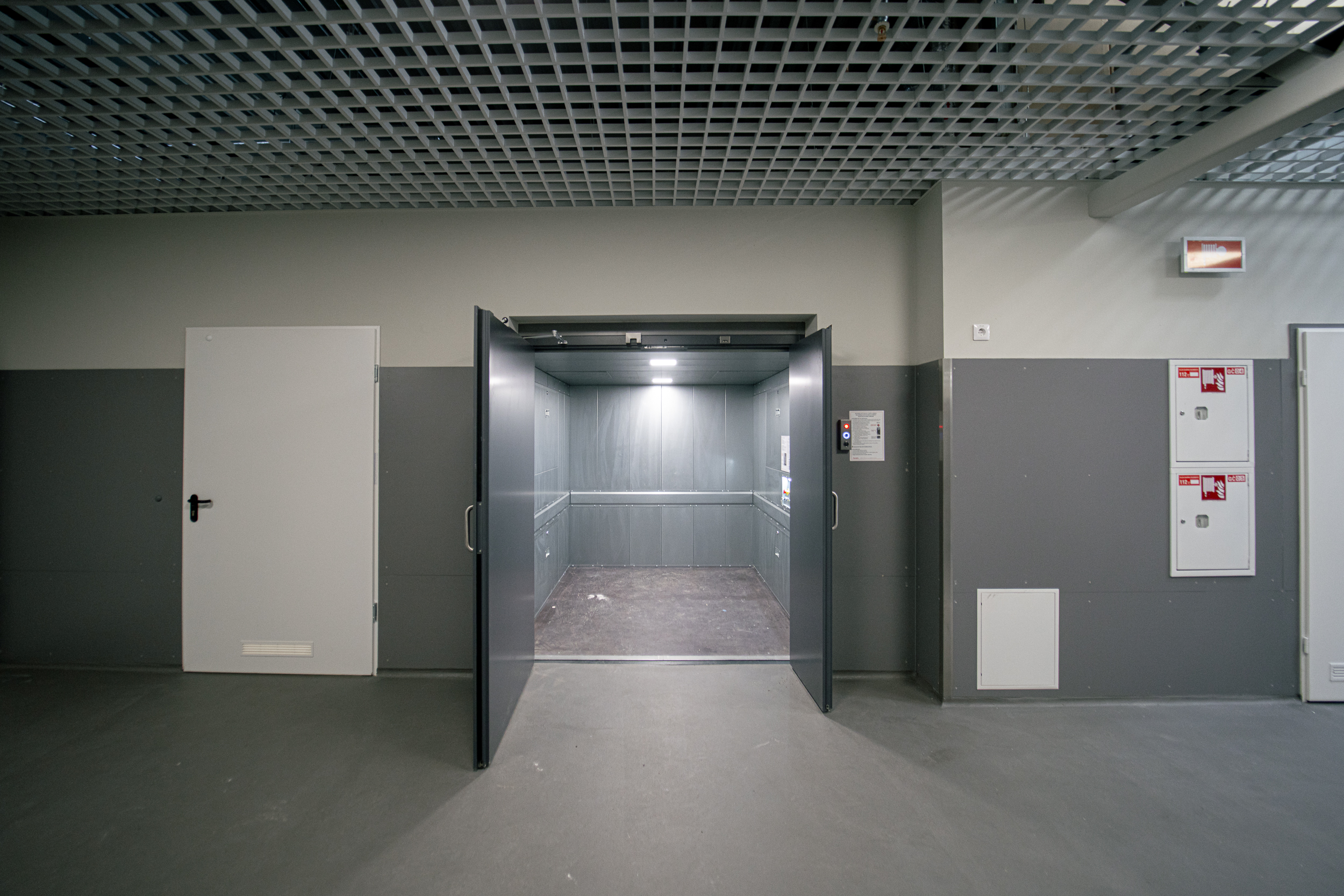
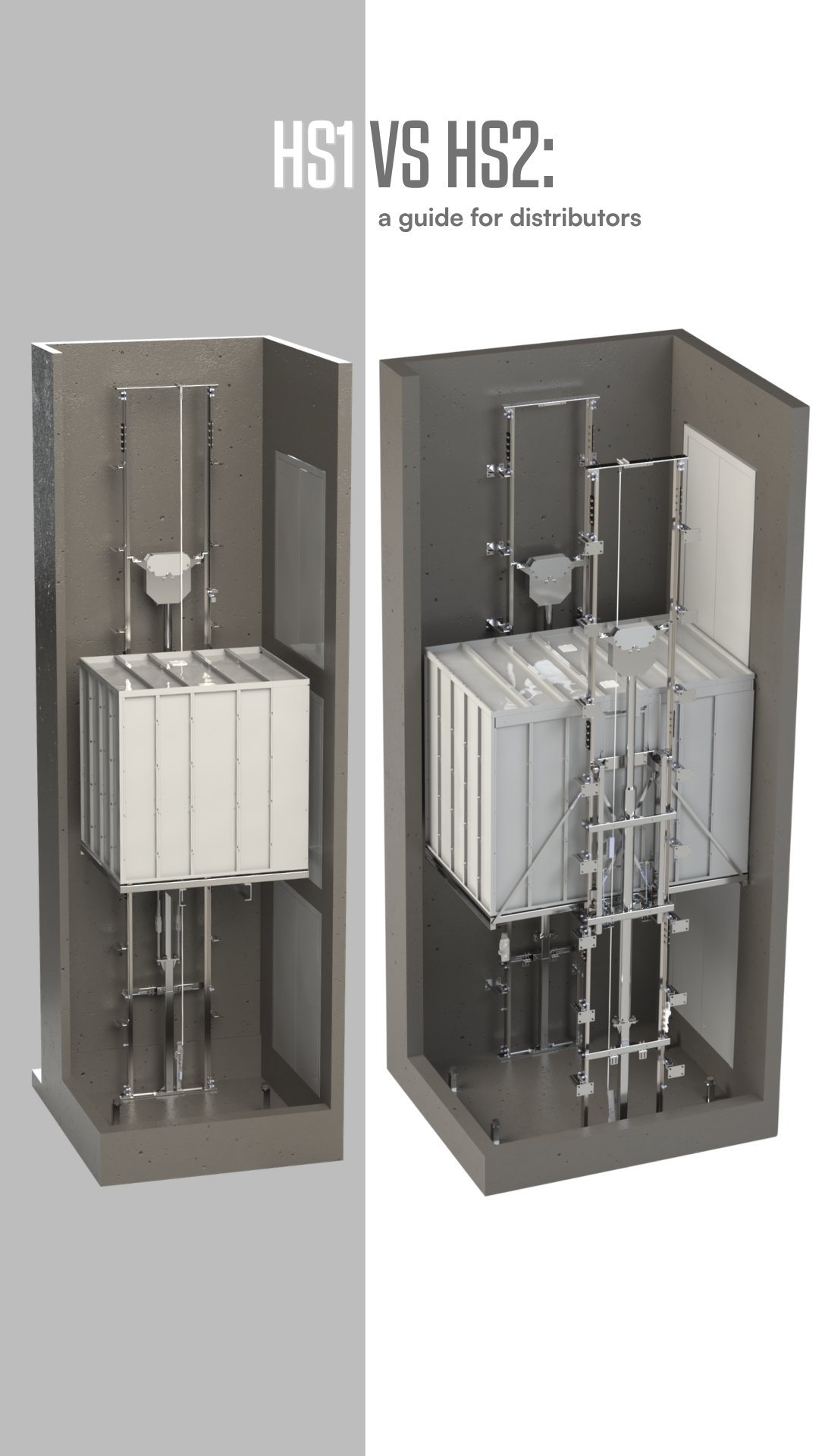
- Heavy-duty capacity: the HS2 model provides a robust solution for larger-scale requirements, supporting load capacities of up to 3 tonnes with platform sizes up to 4m x 3m
Precision in loading and safety
Modern logistics requires a high degree of precision, particularly when using pallet trucks or heavy machinery for loading and unloading. A successful refurbishment must address the risks associated with uneven stop levels and sudden mechanical movements, which can damage both the cargo and the lift’s structural integrity. Precision engineering ensures that the transition between floor levels is seamless, allowing for safer and more efficient movement of goods.
- Automatic re-levelling: the system ensures the platform remains perfectly flush with the floor, regardless of whether the lift is empty or fully loaded, which is essential for safe loading.
- Controlled movement: soft start and stop features minimise inertial forces during acceleration and deceleration, protecting cargo from sudden jolts and reducing wear on the drive system.
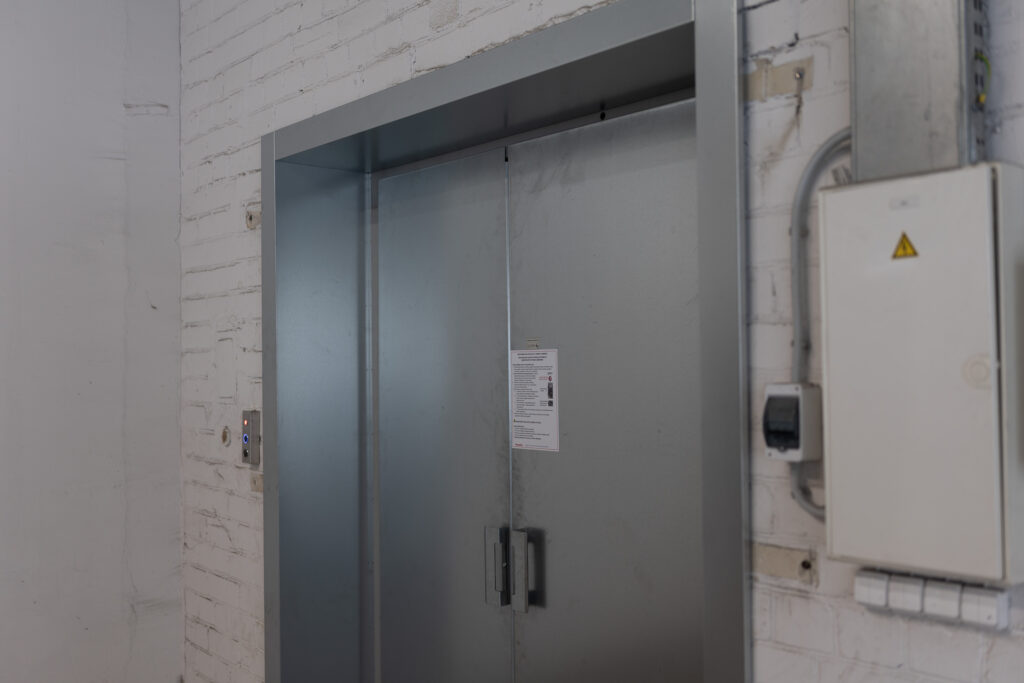
- Integration flexibility: the HS model is designed to adapt to existing buildings, providing a high-performance solution without requiring extensive structural alterations.
Intelligence and diagnostic integration
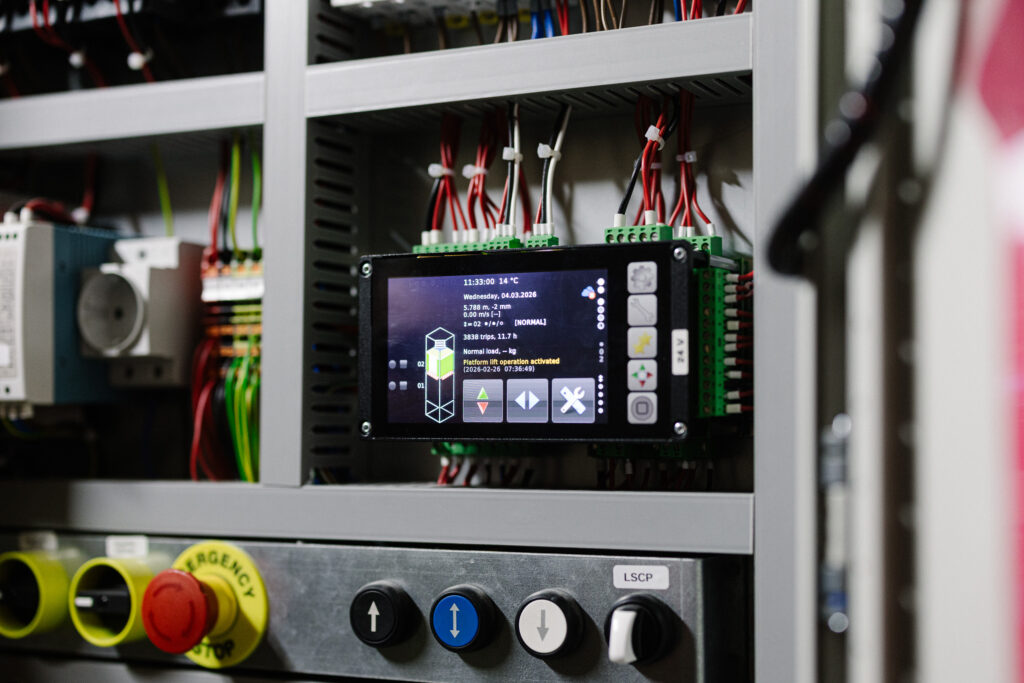
Perhaps the most significant upgrade in a modernised facility is the transition to proactive maintenance through smart technology. Digital integration allows for a level of oversight that was previously impossible, transforming the lift into an intelligent asset. This connectivity provides facility managers with the transparency needed to oversee their infrastructure effectively, while technical teams can rely on precise data to maintain optimal performance.
- Digital positioning: the use of a linear encoder enables constant, precise monitoring of the lift’s position and speed. This allows stop levels to be adjusted electronically, removing the need for physical shaft modifications during setup or maintenance.
- Remote monitoring: the smart controller enables real-time monitoring of performance and safety elements, providing technicians with exact data on the lift’s status.
- Maintenance efficiency: remote diagnostics allow for troubleshooting, significantly reducing the necessity for unplanned on-site visits.
Hydraulic performance and efficiency
Refurbishment provides an opportunity to replace energy-intensive, noisy systems with modern hydraulic technology designed for higher efficiency and lower operational costs. By selecting components that maintain consistent performance across varying warehouse environments, facilities can avoid productivity drops caused by temperature fluctuations. Modernising the hydraulic system ensures that the lift remains a quiet, cost-effective asset that operates at a constant speed regardless of the season.
- Screw pump technology: the option of a screw pump provides a more energy-efficient alternative to traditional gear pumps, reducing fluid turbulence and noise.
- Submersible motors: these can be used to protect the pump from external factors while improving space efficiency within the motor room or shaft.
- Thermal management: oil heater systems can be integrated to maintain consistent hydraulic properties in low ambient temperatures, preventing performance fluctuations.
Conclusion: Total Cost of Ownership
Ultimately, the modernisation of vertical transport is a strategic investment in the Total Cost of Ownership (TCO). While initial purchase costs are a factor, the long-term value is determined by energy consumption, maintenance requirements, and the durability of the system. By prioritising robust mechanical design and intelligent diagnostic tools, facility managers can be certain that their vertical transportation remains a stable, reliable part of the warehouse infrastructure.